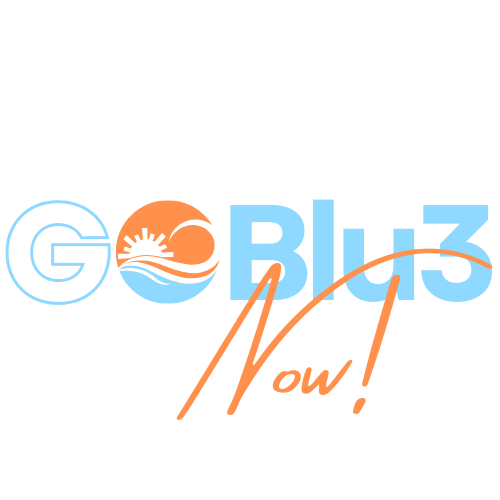
GoBlu3 is the IADP’s marine restoration, coastal-capacity, and blue-economy programme. It connects professional divers, coastal communities, local partners, biodiversity awareness, and sustainable development into a practical framework for healthier seas and stronger coastal communities.
The programme was shaped by direct field experience and years of project development. It grew from work in marine tourism, professional diving, coastal operations, reef restoration, community engagement, and environmental action in regions where the sea is both a fragile ecosystem and a vital source of livelihood.
What GoBlu3 is
GoBlu3 is a long-developed programme framework for restoring marine and coastal environments while strengthening the communities, professionals, and local partners connected to them.
It brings together biodiversity restoration, field monitoring, training, local engagement, and sustainable blue-economy development into one adaptable approach. The aim is to create conditions where protection becomes a practical expression of value, responsibility, and participation.
GoBlu3 is built around a simple but often forgotten principle: people protect what they understand, what they value, and what they are able to sustain.
Marine protection needs people, skills, and local value
Marine protection becomes durable when it is connected to the people who live from the coast, work on the water, operate underwater, and depend on healthy marine environments for their future.
Coastal communities are facing increasing pressure from pollution, climate change, habitat loss, overuse, weak planning, and limited local capacity. GoBlu3 addresses these pressures by connecting environmental work with local capability, professional involvement, and long-term coastal value.
The sea supports tourism, food security, culture, transport, employment, education, recreation, science, and identity. When these values are ignored, coastal environments are treated as disposable. When they are understood and responsibly developed, they become assets worth protecting.
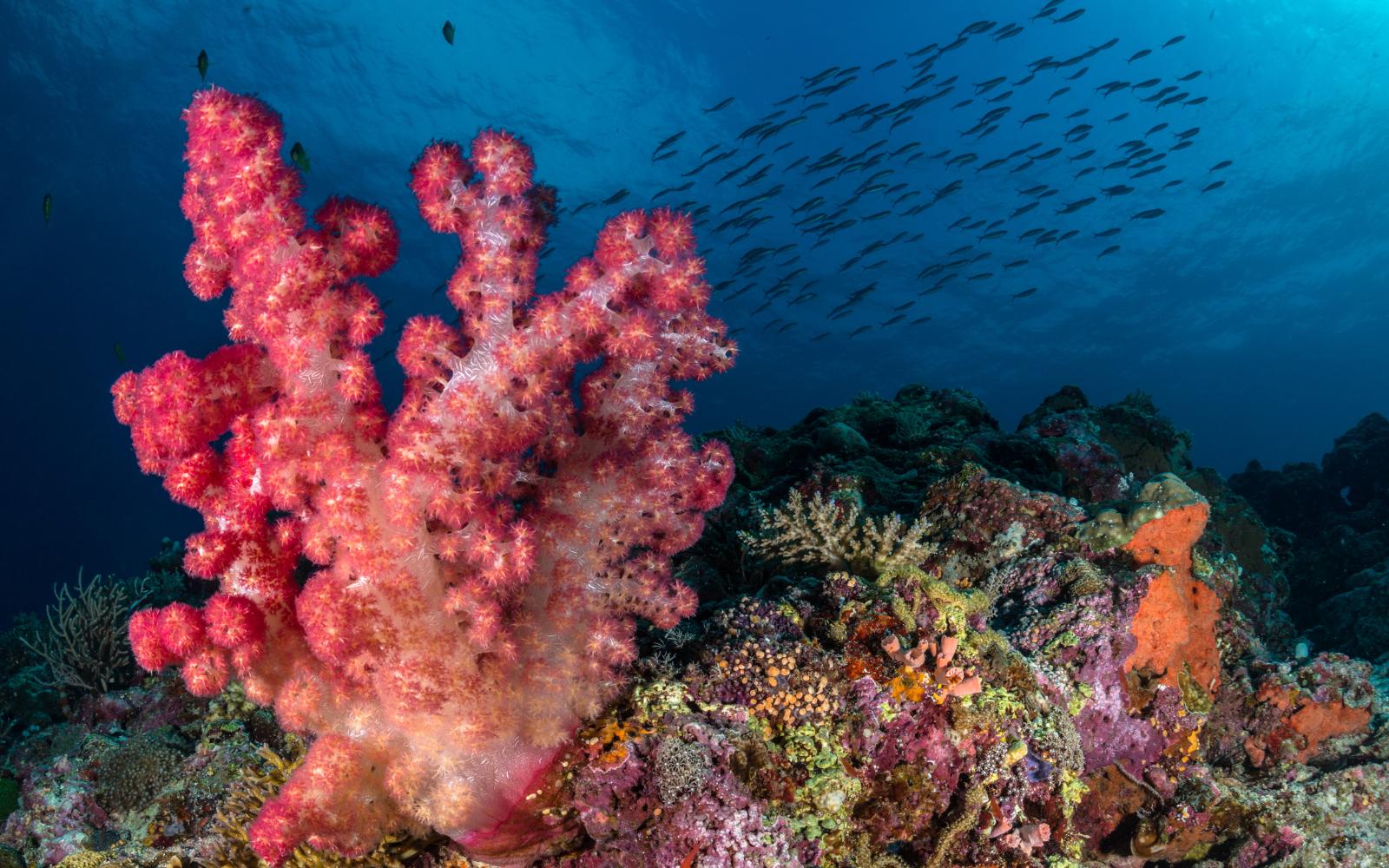
The sea as a source of prosperity
Somewhere along the way, we lost something very important — our belief in the Sea as a source of prosperity.
GoBlu3 is built on the reality that marine restoration becomes stronger when people are part of the solution. Coastal communities, professional divers, educators, researchers, tourism operators, youth groups, and local organizations all have a role to play.
Protection becomes durable when it is linked to education, pride, professional capacity, responsible economic activity, and visible local benefit.
This does not mean exploiting the sea. It means restoring a balanced relationship with it — one where marine ecosystems are protected because they are understood, valued, and connected to the future of the people who live beside them.
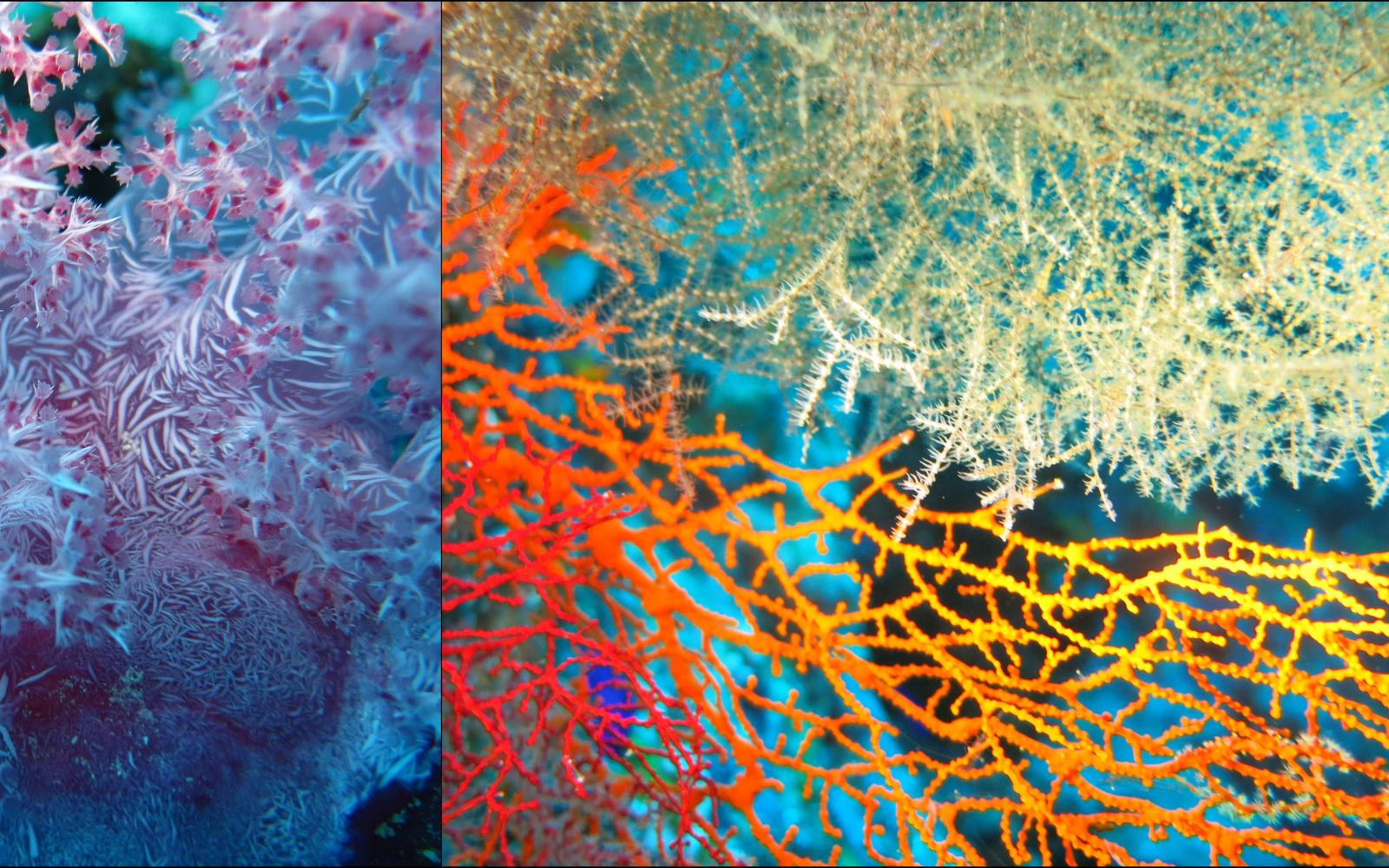
Developed from real coastal frontlines
GoBlu3 has been developed through years of field experience in the Red Sea, Sudan, Curaçao, and coastal tourism environments where marine degradation, local livelihoods, tourism pressure, coastal development, and professional diving intersect.
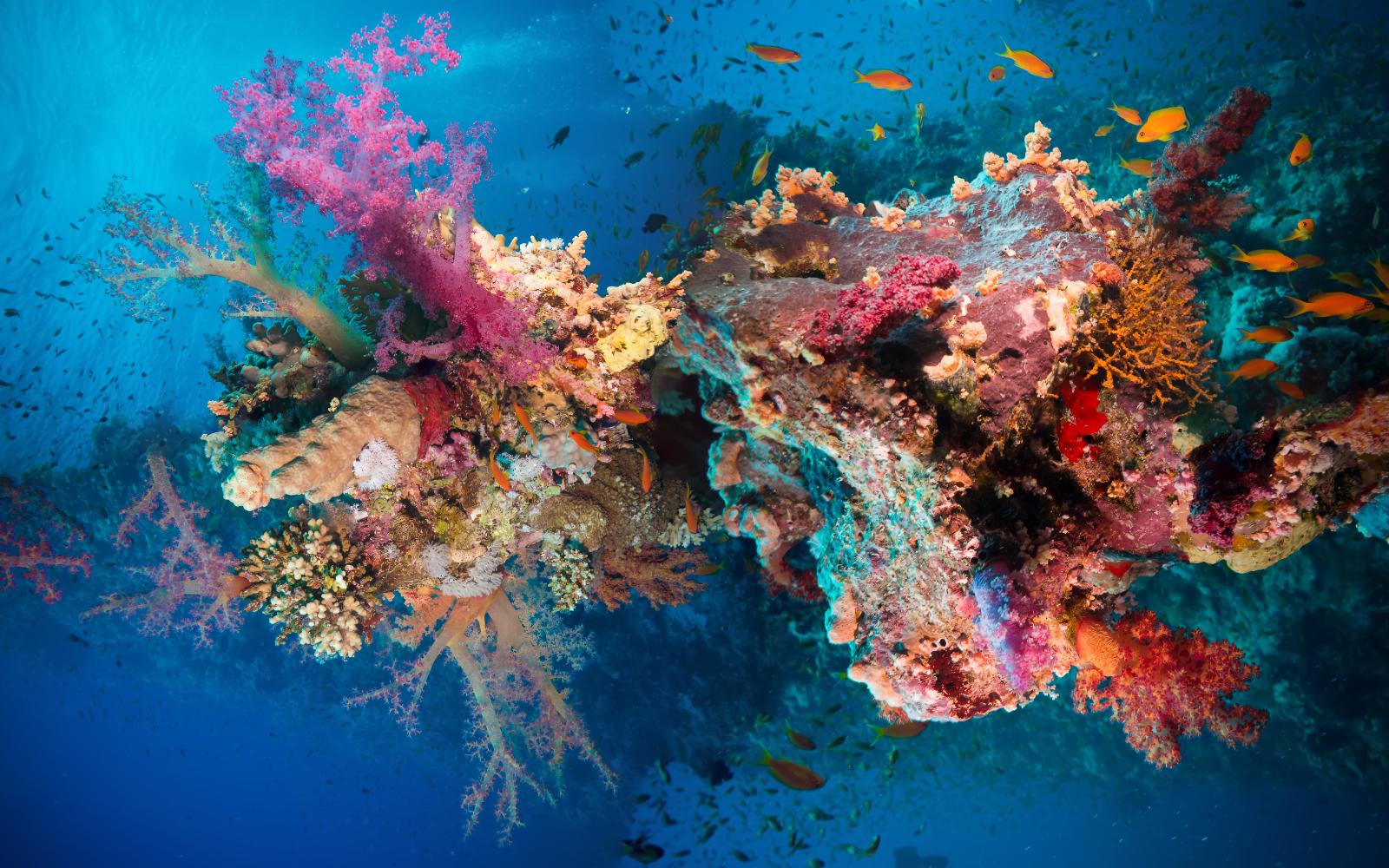
The programme reflects direct exposure to different coastal frontlines: areas affected by visible pollution and coastal development pressure, regions exposed to ocean warming, and communities whose future is directly tied to the condition of the marine environment around them.
These realities shaped GoBlu3’s core thinking. Marine restoration cannot be treated as a single-issue problem. Pollution, warming, sedimentation, habitat loss, tourism pressure, local livelihoods, and weak field capacity all interact.
Pollution and global warming do not respect frontiers or human-made boundaries.
Earlier Red Sea and Sudan initiatives led by Henri Hemmerechts received support and encouragement from international diplomatic partners, including the French and Dutch Embassies. The project was also moving through UNEP-related cooperation channels before the outbreak of the war in Sudan interrupted further development.
The IADP is also registered within the USAID partner framework, strengthening its readiness to participate in international development and cooperation opportunities where eligible.
GoBlu3 Programme Areas
The GoBlu3 mission is to support marine and coastal biodiversity restoration while building the professional, community, digital, and economic capacity required to sustain long-term action. The programme brings together several areas that can be adapted to different regions, partners, ecosystems, and funding opportunities.
Marine restoration and habitat recovery
GoBlu3 supports practical restoration-oriented work focused on damaged or pressured marine and coastal environments. This may include habitat recovery, reef and shoreline awareness, biodiversity observation, and field-based environmental action.
Restoration is treated as part of a wider coastal system, not as an isolated intervention. Local conditions, field capacity, community value, and long-term stewardship all matter.
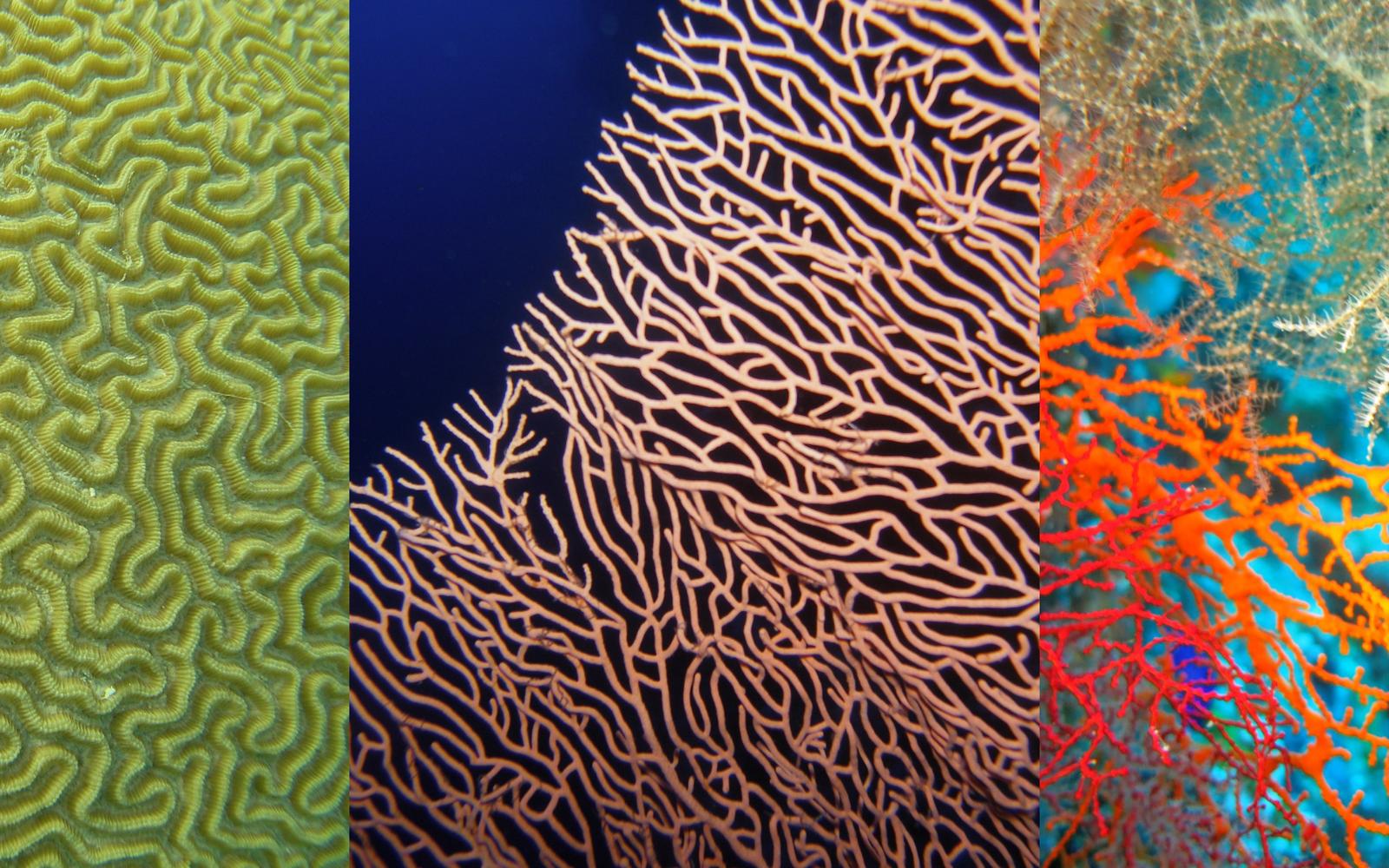
Biodiversity awareness and monitoring
Many coastal areas are poorly documented or only partially understood. GoBlu3 encourages structured observation, species awareness, local reporting, and long-term monitoring as a foundation for better protection and decision-making.
Field observations, monitoring results, and environmental insights can feed public awareness, professional training, sector reporting, donor communication, and future project planning.
Linked to Country Reports →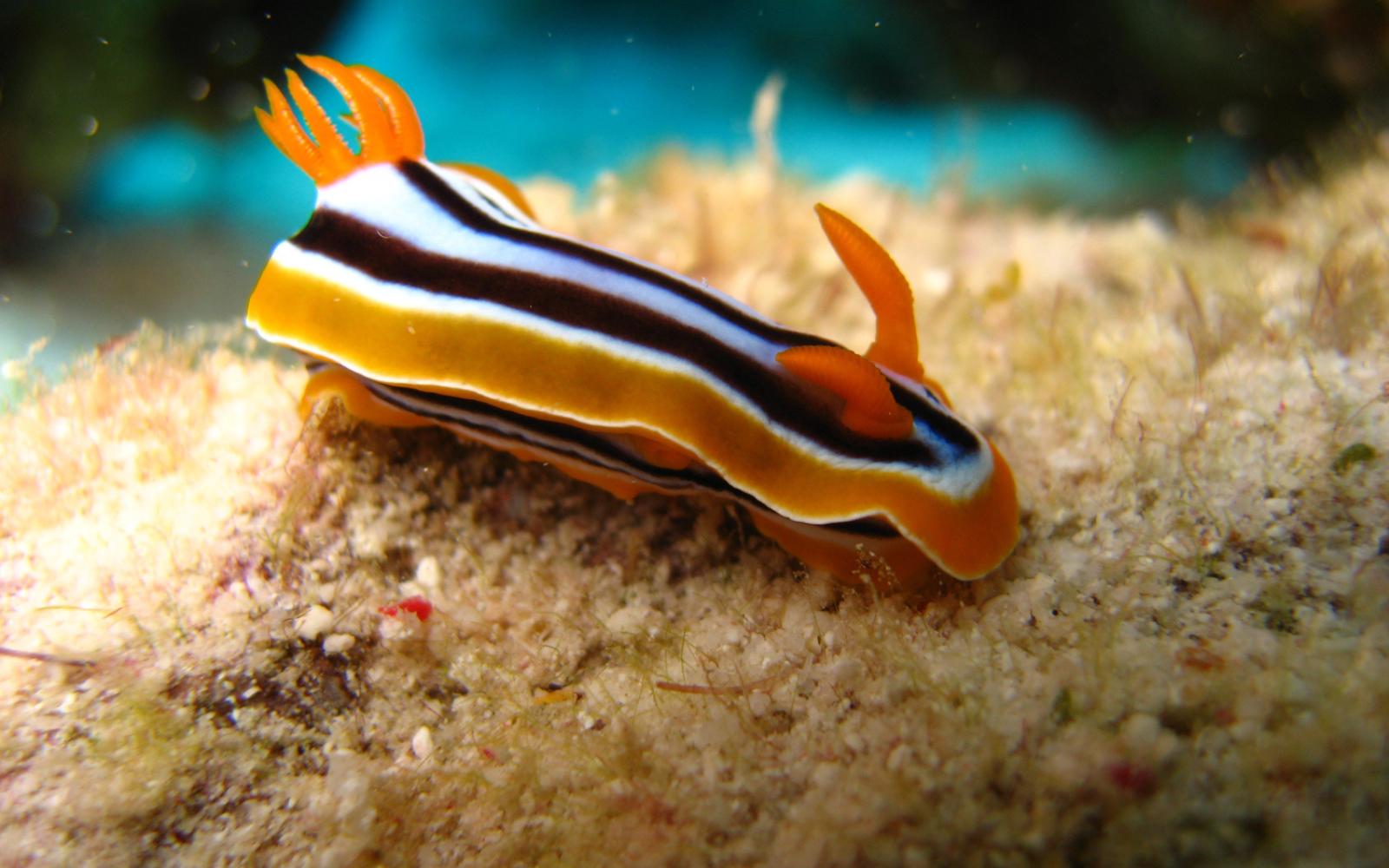
Professional diver capacity
Dive professionals are often among the first people to see environmental change underwater. GoBlu3 gives professional divers a stronger role as field observers, safety operators, trainers, communicators, and practical contributors to marine restoration and monitoring.
This connects directly with the IADP’s broader 10-sector diving industry framework, especially environmental restoration, scientific diving, training, operations, media, and coastal support infrastructure.
View professional sectors →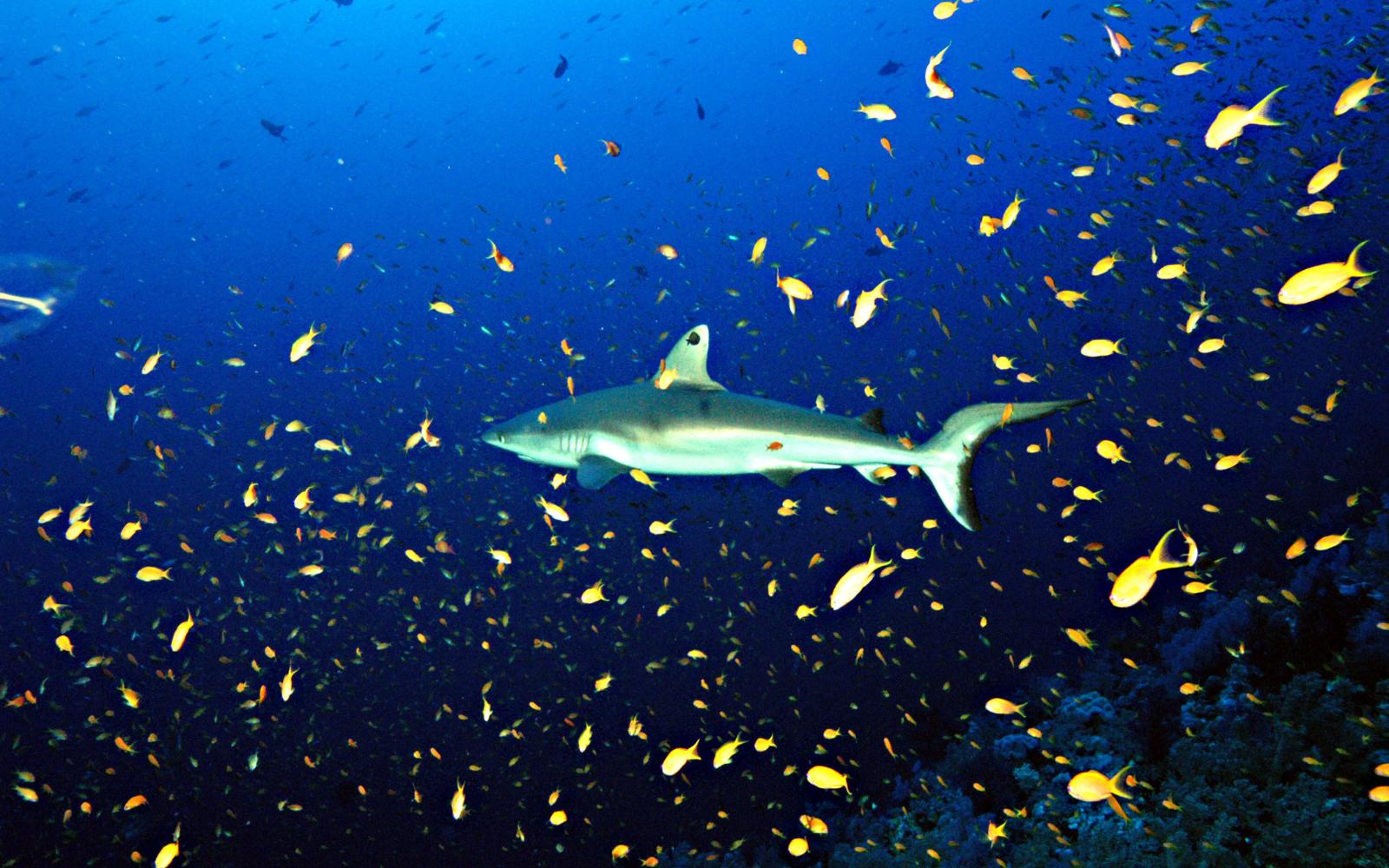
Coastal community engagement
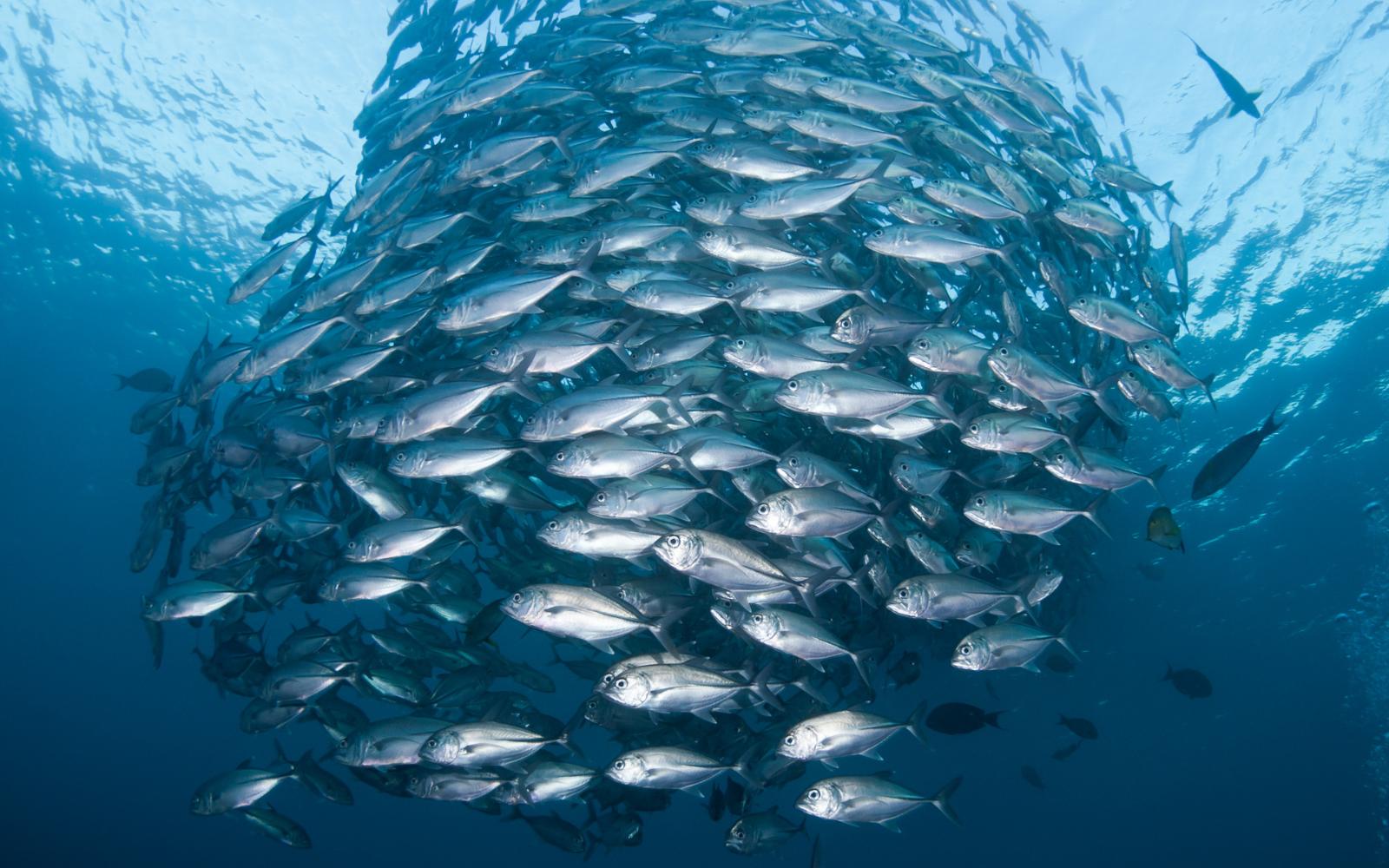
Long-term protection depends on local participation. GoBlu3 works with coastal communities, local organizations, schools, youth groups, tourism operators, and other stakeholders who have a direct relationship with the sea.
Strong local engagement is central to lasting environmental protection. GoBlu3 supports locally rooted participation and cooperation with organizations already connected to their coastal communities.
Sustainable coastal value
GoBlu3 supports forms of coastal development that create value without destroying the natural systems they depend on. The programme links conservation to responsible tourism, training, skills development, circular economy, local enterprise, and sustainable marine livelihoods.
Sustainable coastal economies are strengthened by linking environmental health with opportunity, helping communities see the sea as a living asset rather than a resource to be exhausted.

GoBlu3 site and marine health dashboard
GoBlu3 will be supported by its own dedicated website and marine health dashboard, connecting participating conservation actors, local partners, professional divers, and project teams through shared visibility, field updates, and environmental reporting.
The dashboard is intended to help turn conservation work into visible progress by bringing monitoring, project activity, biodiversity observations, and regional updates into one accessible communication layer.
Regional Operations
GoBlu3 is structured around regional operations, each adapted to local realities, ecosystems, partners, and opportunities. The current deployment priority is Operation Caribe, focused first on Venezuela, Colombia, and the Caribbean-facing coastline of northern South America. Pollution and global warming do not respect frontiers or human-made boundaries, and serious restoration work must think beyond political borders.
Operation Caribe
Operation Caribe is the active regional focus for Venezuela, Colombia, and the Caribbean-facing coastline of northern South America.
It is being developed around local NGO partnerships, coastal community engagement, marine and coastal restoration priorities, biodiversity awareness, circular economy opportunities, and grant-supported project development.
The operation follows a regional logic: pollution, warming seas, habitat loss, and biodiversity decline move across borders. GoBlu3 therefore treats this coastline as a connected marine space requiring cooperation beyond national boundaries.
Read more about Operation Caribe →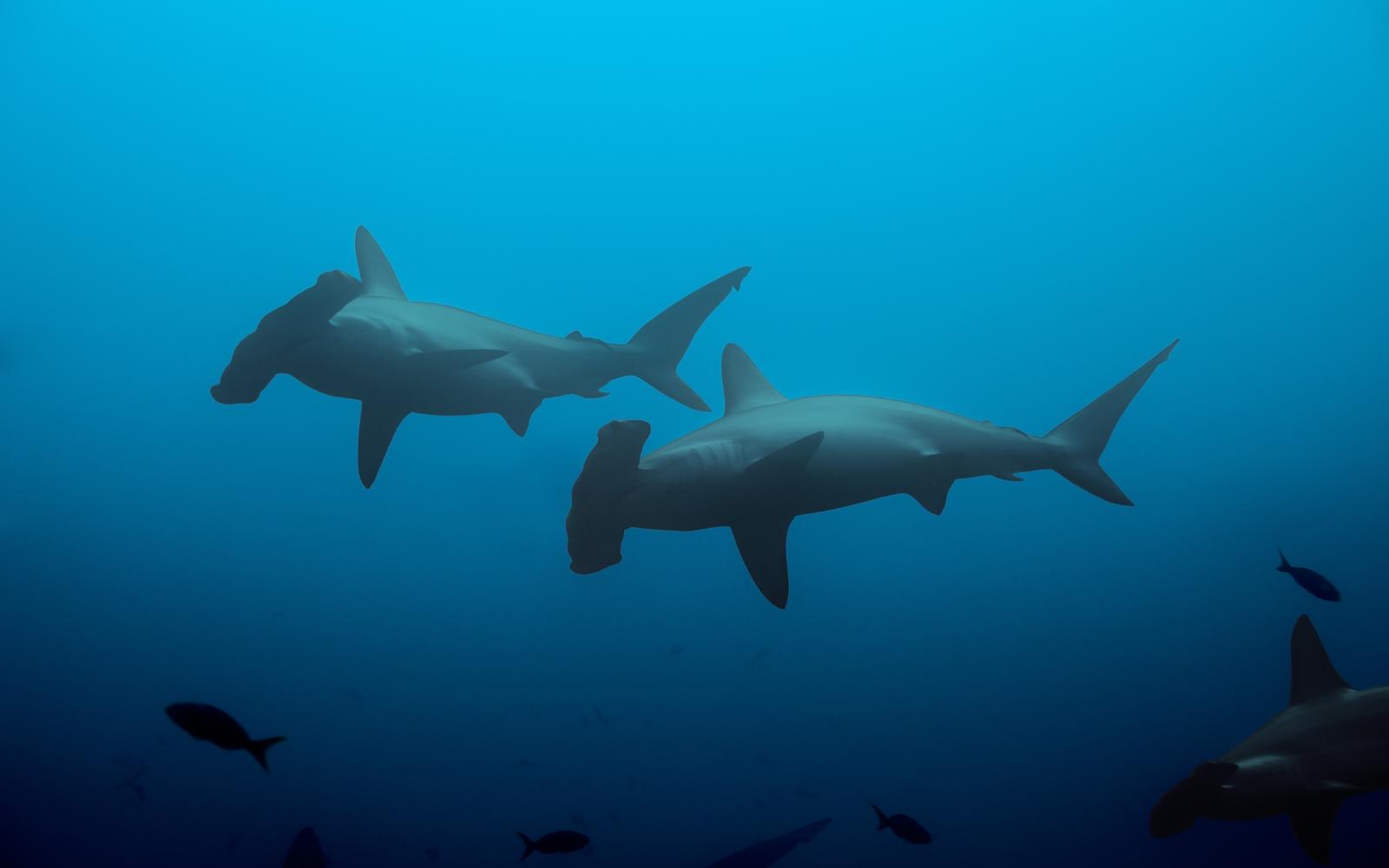
Operation Red Sea
Operation Red Sea is the paused strategic frontline and field-experience base of GoBlu3. It reflects earlier work in Sudan, Suez, Ain Sokhna, and wider Red Sea environments.
The operation covered two critical fronts: the Suez and Ain Sokhna area as a frontline of Red Sea pollution, and Sudan as a frontline of ocean warming, with reef systems exposed to some of the highest sea-temperature stress worldwide.
The operation remains paused due to regional instability and the impact of war, but its lessons remain central to the GoBlu3 approach.
Read more about Operation Red Sea →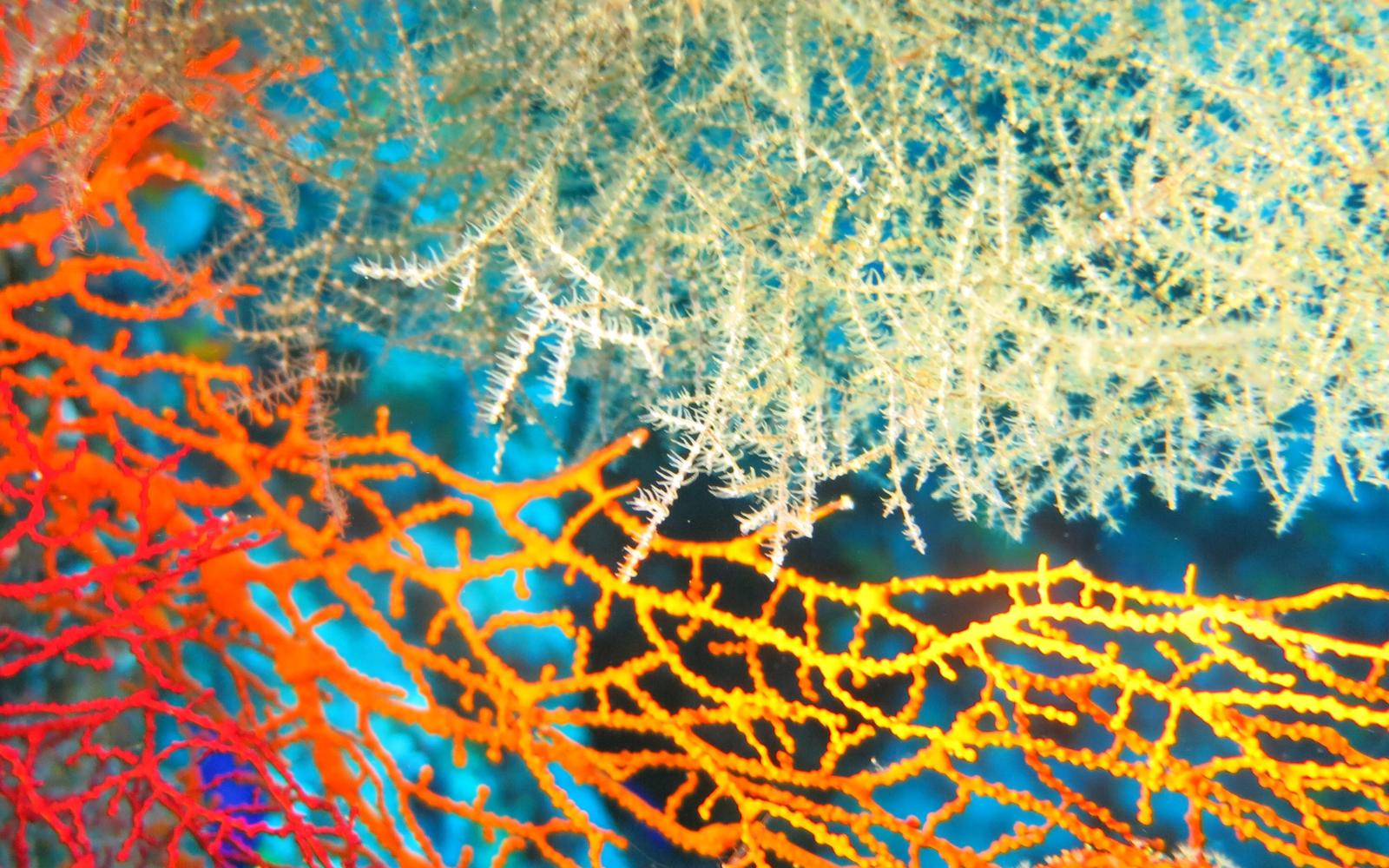
Operation Northern Seas
Operation Northern Seas is the development track for European cold-water coastal systems, including the English Channel, Irish Sea, North Sea, Baltic region, Scandinavia, and North Atlantic approaches.
It adapts GoBlu3 principles to colder marine environments, professional diving communities, coastal biodiversity, and European blue-economy opportunities.
The operation is intended to develop a northern-water counterpart to tropical restoration and monitoring efforts, with attention to overlooked cold-water habitats, coastal pressure, and professional field capacity.
Read more about Operation Northern Seas →
Working with local partners
GoBlu3 is built for cooperation. The programme is developed to work with local NGOs, civil society organizations, universities, community groups, responsible tourism operators, public institutions, funders, and professional divers.
GoBlu3 does not replace local organizations. It supports and strengthens locally rooted action.
The IADP can contribute professional diving knowledge, marine tourism experience, project-development capacity, international networks, communication support, training concepts, and field-informed programme design. Local partners bring the legal presence, cultural knowledge, community relationships, local priorities, and continuity required for meaningful action.
The strongest projects are built where these strengths meet.
Current Deployment Priority
The current deployment priority is Operation Caribe, focused first on Venezuela, Colombia, and the Caribbean-facing coastline of northern South America.
This is not a fragmented coastline from an ecological point of view. Marine pollution, warming waters, fisheries pressure, habitat loss, and coastal degradation interact across human-made boundaries.
NGO and civil society cooperation
The IADP is actively exploring cooperation with marine, coastal, environmental, circular economy, youth, and community-development organizations that are legally established and capable of participating in structured project development.
Structured project development
Many coastal ideas fail because they never become structured projects. GoBlu3 helps turn field needs into credible programme concepts that can be discussed with funders, partners, public bodies, and international cooperation frameworks.
Venezuela, Colombia and the Caribbean-facing coast
Venezuela, Colombia, and the Caribbean-facing coastline of northern South America present major opportunities for marine and coastal cooperation, combining biodiversity value, coastal communities, tourism potential, environmental pressure, and the need for practical blue-economy development.
Read more about Operation Caribe →