GoBlu3 Regional Operation
Cold-water biodiversity, professional field capacity, and blue-economy development.
Operation Northern Seas is the GoBlu3 development track for northern European and cold-water marine regions. It extends the GoBlu3 model beyond tropical reef systems into the less visible but increasingly important coastal waters of the English Channel, North Sea, Irish Sea, Baltic / Ostsee, Scandinavian waters, and the wider North Atlantic approaches.
A first reconnaissance phase was completed in Plymouth and the English Channel between May and September 2025. This phase explored local marine conditions, coastal activity, stakeholder potential, and the possible role of IADP and GoBlu3 in supporting a more structured blue-economy approach.
Contact was opened with Plymouth’s marine park initiative, a city council-linked coastal and marine programme connected to Plymouth’s ambition to strengthen its marine identity and future blue-economy direction.
Operation Timeline
Operation Northern Seas is not yet a full field deployment. It is a GoBlu3 development track with a first reconnaissance phase completed in Plymouth and the English Channel, and a possible next active phase from 2027 onward.
Plymouth Reconnaissance
First field scan of local marine conditions, coastal activity, stakeholder potential, and possible GoBlu3 relevance in the English Channel.
Development and Mapping
Stakeholder mapping, partnership review, blue-economy positioning, and assessment of where IADP and GoBlu3 could realistically contribute.
Possible Next Phase
Future continuation depends on capacity, local cooperation, funding, pilot-site selection, and a practical implementation route.
Cold-water GoBlu3 development
A Cold-Water GoBlu3 Development Track
Many marine restoration narratives focus on tropical reefs because they are visually powerful and globally understood. Northern waters are different. They are colder, darker, more seasonal, often more industrialised, and less visible to the public imagination.
That does not make them less important.
The Northern Seas contain complex coastal systems, estuaries, kelp forests, seagrass areas, shellfish habitats, nursery grounds, wreck ecosystems, artificial reefs, harbour environments, and heavily used working seascapes. These areas support biodiversity, fisheries, tourism, shipping, coastal communities, offshore infrastructure, and public recreation.
Operation Northern Seas exists to explore how GoBlu3 can support these environments through professional diving capacity, field observation, biodiversity monitoring, local stakeholder cooperation, and practical blue-economy development.
Reconnaissance phase
Plymouth / English Channel Reconnaissance
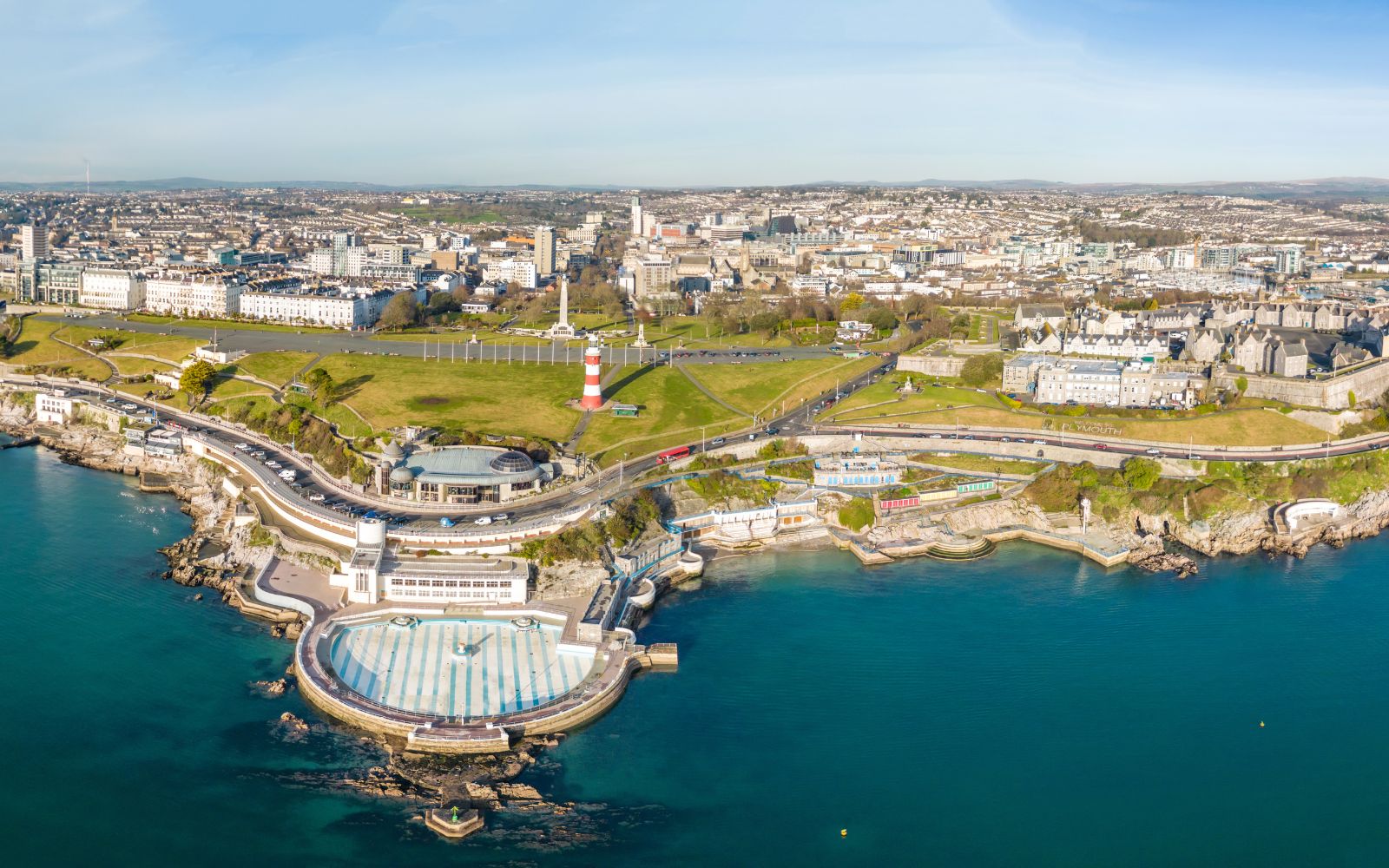
The first reconnaissance phase took place in Plymouth and the English Channel from May to September 2025.
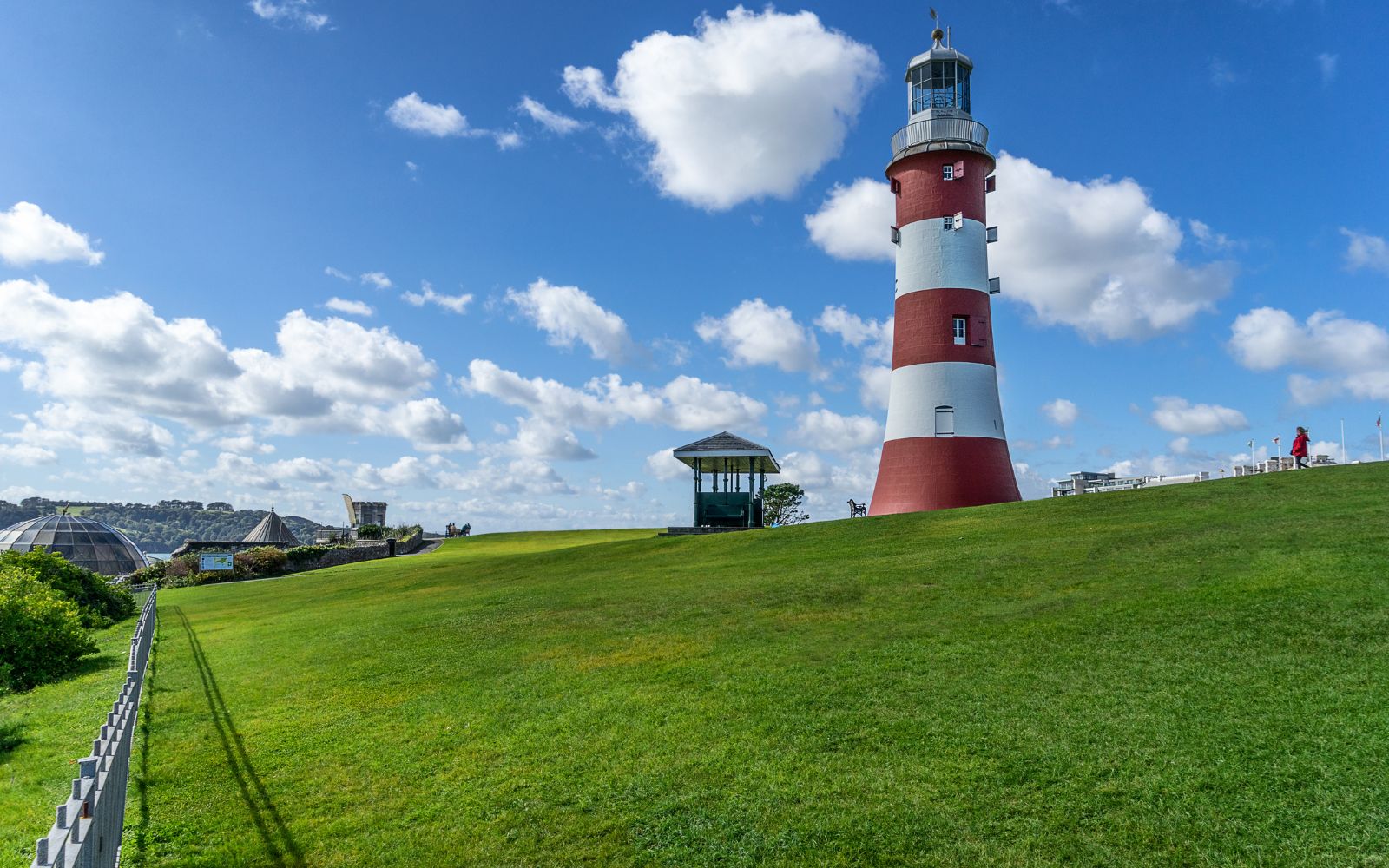
Plymouth was selected as a practical starting point because it sits directly on a historically important marine corridor. It has a strong maritime identity, active coastal use, dive activity, marine institutions, tourism potential, local environmental initiatives, and an ambition to reposition itself around a stronger blue-economy future.
The reconnaissance phase was not a full deployment. It was a field assessment and relationship-building phase. Its purpose was to observe local conditions, understand the coastal and marine context, identify possible partners, assess pressure points, and evaluate where GoBlu3 and IADP could contribute in the future.
Contact was opened with Plymouth’s marine park initiative, a city council-linked programme connected to the marine future of the city. This created an initial line of communication around possible future cooperation, although much work remains before any formal operational programme can be developed.
Climate-driven marine change
Warming Seas and Shifting Species
The Northern Seas are changing.
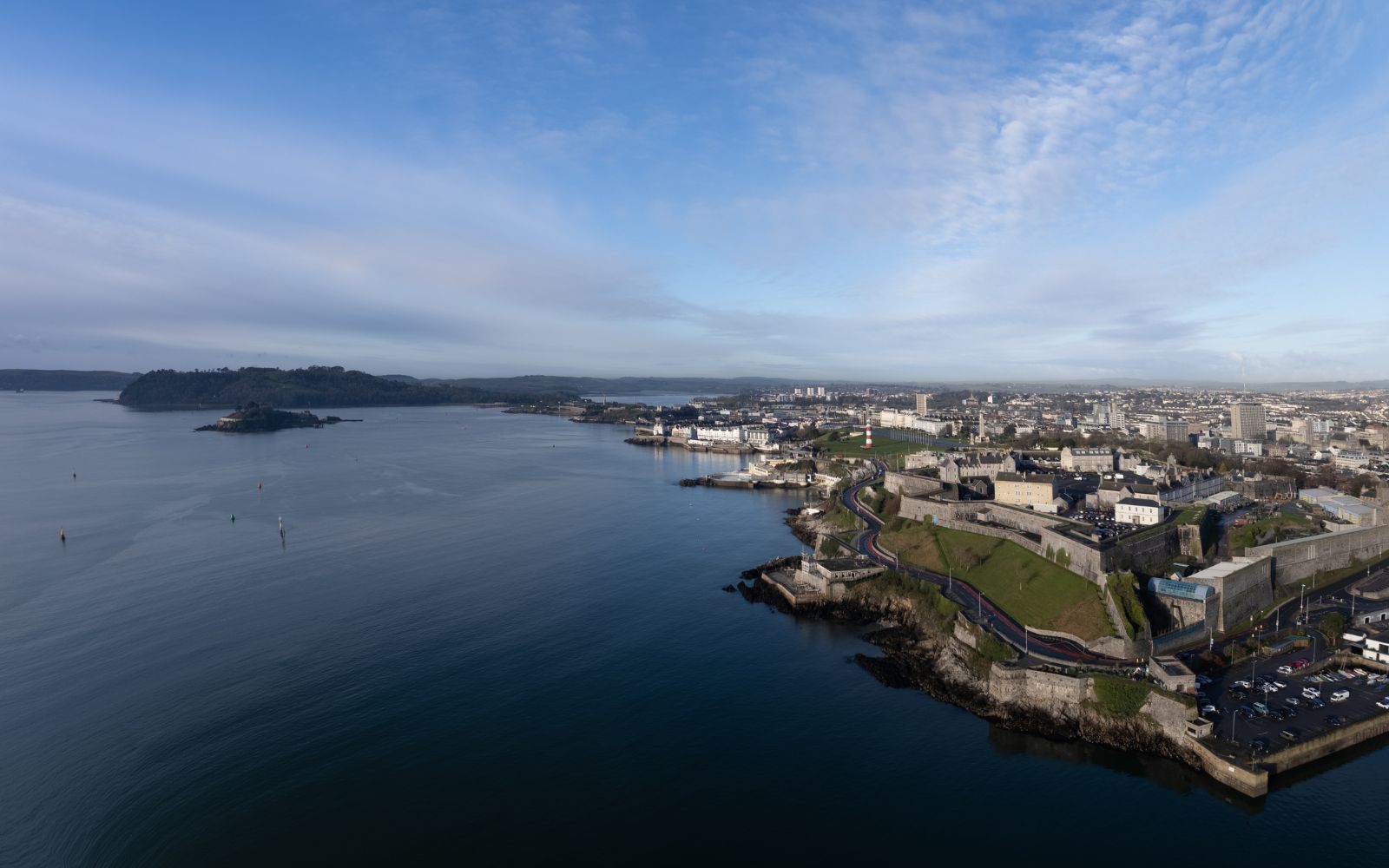
As ocean temperatures rise, species distribution is shifting. Warm-water species are increasingly appearing in colder northern waters, and approximately 40 warm-water species have now been catalogued in the English Channel.
This makes the English Channel and surrounding northern waters an important observation zone for climate-driven marine change. The region is not only a passageway between Atlantic and European coastal systems. It is becoming a visible indicator of ecological movement, adaptation, pressure, and uncertainty.
For GoBlu3, this creates a clear role for structured field observation. Professional divers, dive centres, marine educators, boat operators, local scientists, coastal NGOs, and citizen observers can help document changes that might otherwise remain scattered, anecdotal, or underreported.
Coastal pressure
Pollution, Foraging, and Coastal Pressure
Operation Northern Seas also identified serious coastal pressures.
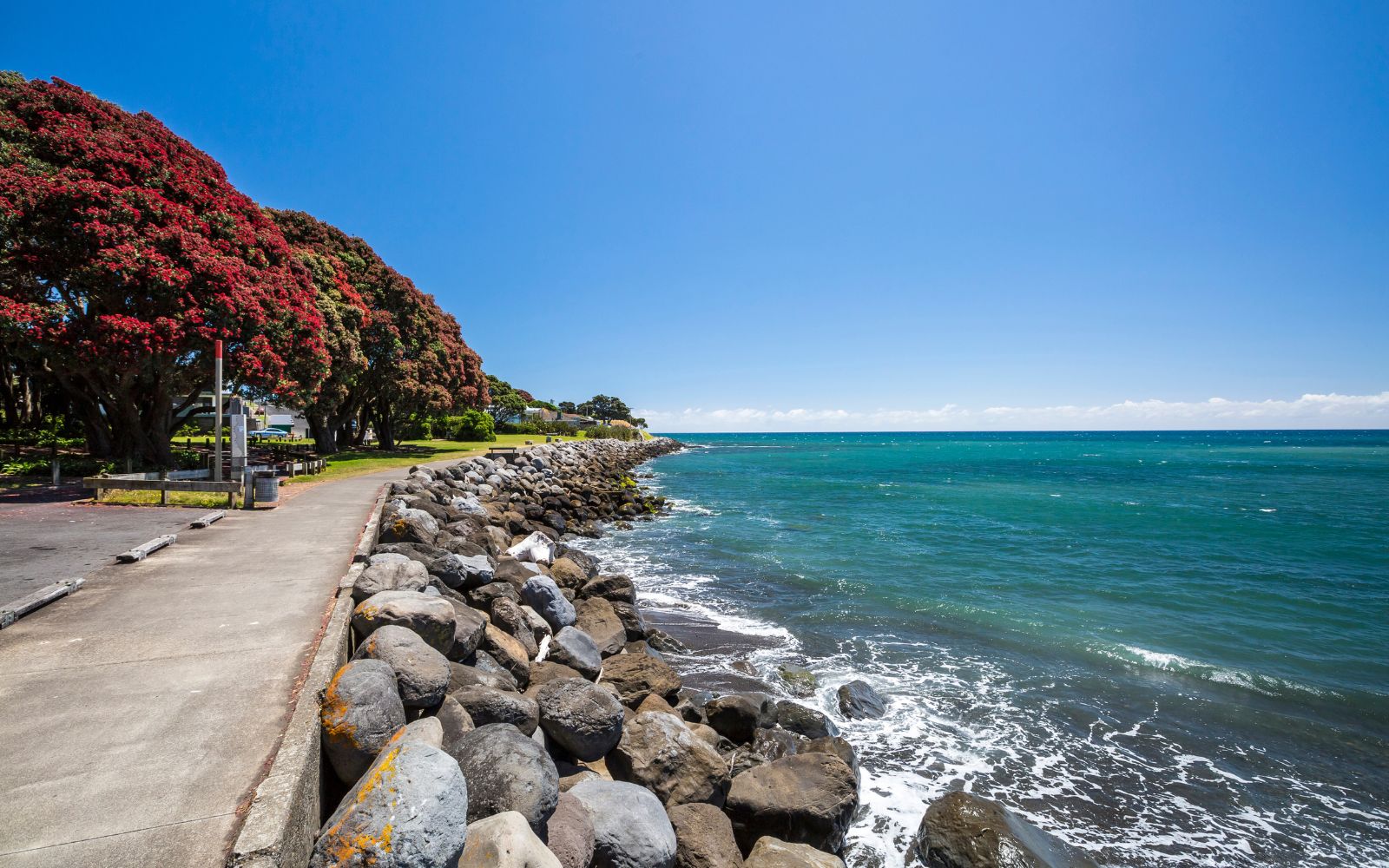
The Plymouth and English Channel context includes pollution, urban runoff, harbour and port activity, fishing pressure, recreational use, shoreline waste, tourism, hunting and gathering activity, foraging, and broader coastal extraction. These pressures are not always dramatic in appearance, but their cumulative impact matters.
Cold-water systems are often treated as working environments first and ecological systems second. That creates a blind spot. Pollution, habitat disturbance, unstructured harvesting, poor awareness, and fragmented responsibility can degrade coastal ecosystems without the same public reaction often seen around tropical reef decline.
Operation Northern Seas must therefore address both environmental observation and human use. Marine protection cannot be separated from how people live, work, dive, fish, gather, travel, and build around the coastline.
Blue-economy opportunity
Plymouth and the Blue Economy Opportunity
Plymouth’s ambition to move toward a stronger blue economy creates a possible opening for future cooperation.
A serious blue economy cannot be reduced to branding. It must connect marine protection, professional skills, responsible tourism, education, restoration, local employment, research, coastal culture, and long-term environmental value.
This is where GoBlu3 may become useful.
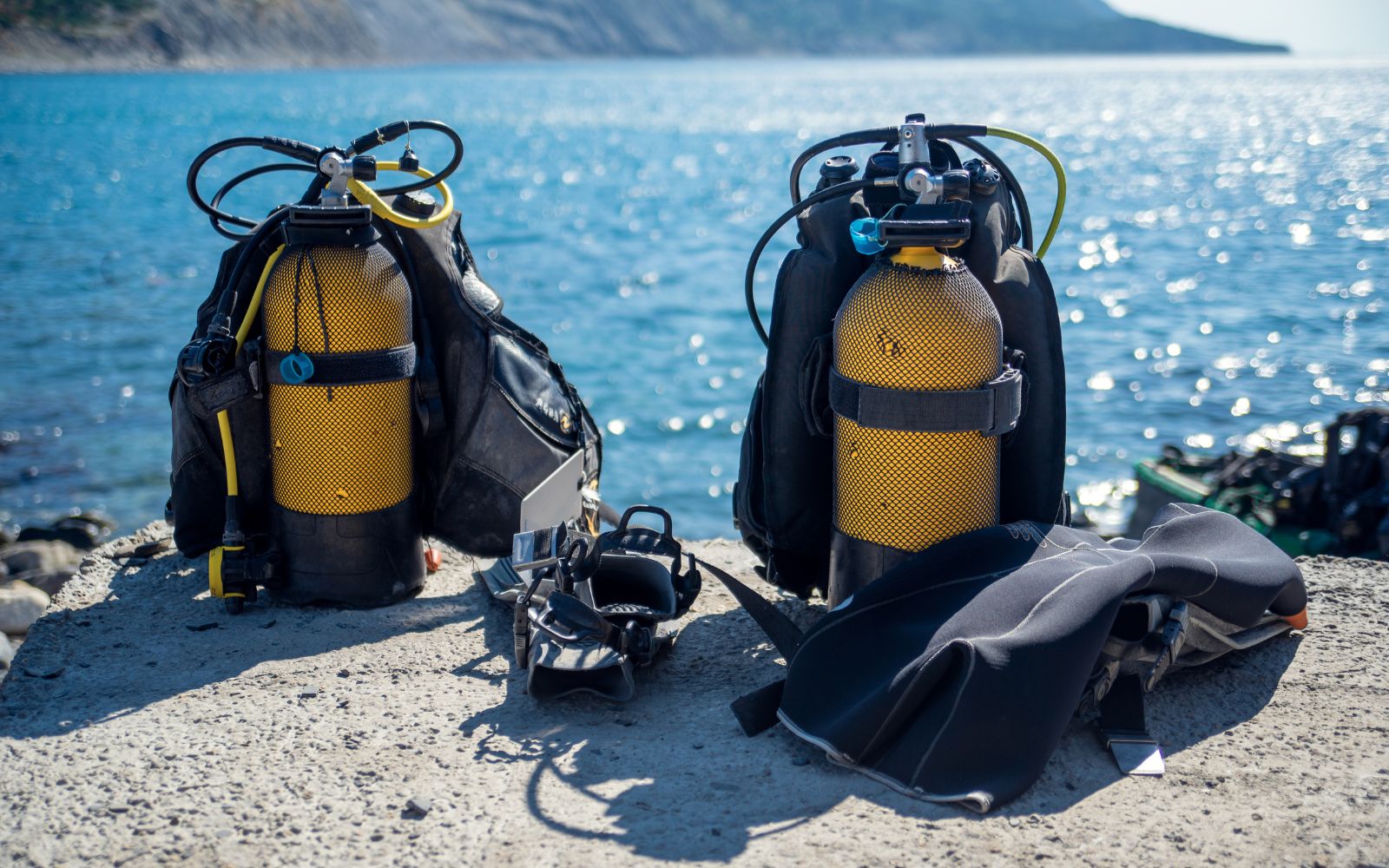
IADP can support a blue-economy approach by bringing professional diving knowledge, restoration thinking, biodiversity observation, training concepts, communications capacity, international sector mapping, and links to the broader diving industry. Local partners, in turn, bring community presence, site knowledge, legal structures, political context, and continuity.
The opportunity is real, but it requires structure. Plymouth and similar northern coastal regions do not need symbolic conservation campaigns. They need practical cooperation models that connect field work, policy, communities, and economic development.
What GoBlu3 Could Contribute
Operation Northern Seas is still in development, but the potential contribution is already clear.
Professional diver observation
Structured observation and reporting systems can help professional divers document environmental change, species movement, pollution, and site conditions.
Biodiversity documentation
GoBlu3 can support species-shift documentation, biodiversity awareness, and field reporting linked to local scientific and community partners.
Coastal pressure mapping
Pollution, foraging, coastal use, tourism, fishing, harbour activity, and urban runoff need practical mapping before responsible interventions can be designed.
Dive-centre field nodes
Local dive centres can become field nodes for observation, reporting, education, marine awareness, and responsible coastal activity.
Blue-economy project development
IADP can help connect marine protection with skills, tourism, professional development, restoration concepts, and local economic value.
Partner cooperation
Future development depends on cooperation with local NGOs, universities, authorities, marine initiatives, dive professionals, and coastal communities.
Development Status and Next Steps
Operation Northern Seas is currently in development.
The 2025 Plymouth reconnaissance confirmed the potential, but it also confirmed that much work remains. The operation needs clearer local partnerships, pilot-site identification, funding possibilities, scientific alignment, community support, and a practical implementation pathway.
A possible next active phase may be picked up from 2027 onward, depending on available capacity, local cooperation, and funding opportunities.
Until then, Operation Northern Seas remains part of the GoBlu3 strategic development map. It shows that GoBlu3 is not limited to tropical reef regions. It can also apply to colder, industrialised, highly used, and rapidly changing marine environments where professional divers and coastal actors can play a much larger role.
Operation Northern Seas is about recognising what is often overlooked.
Cold-water marine environments are changing. They are pressured, used, valuable, and increasingly important to the future of coastal economies. The Plymouth reconnaissance showed that the opportunity exists, but also that serious work is required.
GoBlu3’s role is to help turn observation into structure, structure into cooperation, and cooperation into practical marine value.
Support the GoBlu3 Work
Operation Northern Seas is in development. Support helps IADP continue building the professional, scientific, and operational structure needed for future cold-water and blue-economy work.
Help develop Operation Northern Seas
Support GoBlu3, volunteer with IADP, or discuss cooperation as we continue developing practical restoration and observation work across priority marine regions.