GoBlu3 Regional Operation
Marine restoration, circular economy, and blue-economy cooperation in the Caribbean-facing region.
Operation Caribe is the active GoBlu3 development track for the southern Caribbean and Caribbean-facing coastal regions, with Venezuela as the first operational focus and a wider regional outlook toward Colombia, Bonaire, and connected Caribbean marine systems.
Its current priority is practical: partner outreach, funding preparation, pilot design, and regional deployment planning.
The Caribbean-facing region offers exceptional marine value, but it also faces serious pressure. Coral reefs, mangroves, seagrass beds, fish nurseries, coastal communities, tourism zones, fishing grounds, urban coastlines, and island economies are all connected through one shared marine system.
Operation Caribe applies the GoBlu3 model to this reality: professional divers, local partners, communities, NGOs, authorities, researchers, and responsible businesses working together around measurable marine value.
Operation Timeline
Operation Caribe is being developed as the active Caribbean deployment track for GoBlu3. The current phase focuses on partner outreach, funding alignment, pilot design, and building a practical model that can be implemented locally and adapted regionally.
Active Development
Partner outreach, project framing, funding research, and preparation of a realistic pilot pathway for Caribbean-facing marine and coastal regions.
Venezuela
Initial operational focus on local NGO outreach, coastal and marine restoration potential, circular economy relevance, and community benefit.
Southern Caribbean
Wider outlook toward Colombia, Bonaire, Curaçao, Aruba, Trinidad and Tobago, and connected Caribbean-facing marine systems.
Active Caribbean deployment track
An Active Caribbean Deployment Track
Operation Caribe is being shaped through regional partner outreach, project preparation, pilot design, and funding alignment.
The first operational focus is Venezuela, where coastal and marine restoration can connect directly with circular economy, community development, biodiversity monitoring, and access to basic services. The wider regional outlook includes Colombia, Bonaire, and other connected Caribbean-facing coastal areas where similar pressures and opportunities exist.
The purpose is to build a practical framework with local actors: identifying real needs, matching them with field capacity, and developing projects that can attract funding, create measurable results, and strengthen long-term marine stewardship.
Caribbean-facing region
Why the Caribbean-Facing Coast Matters
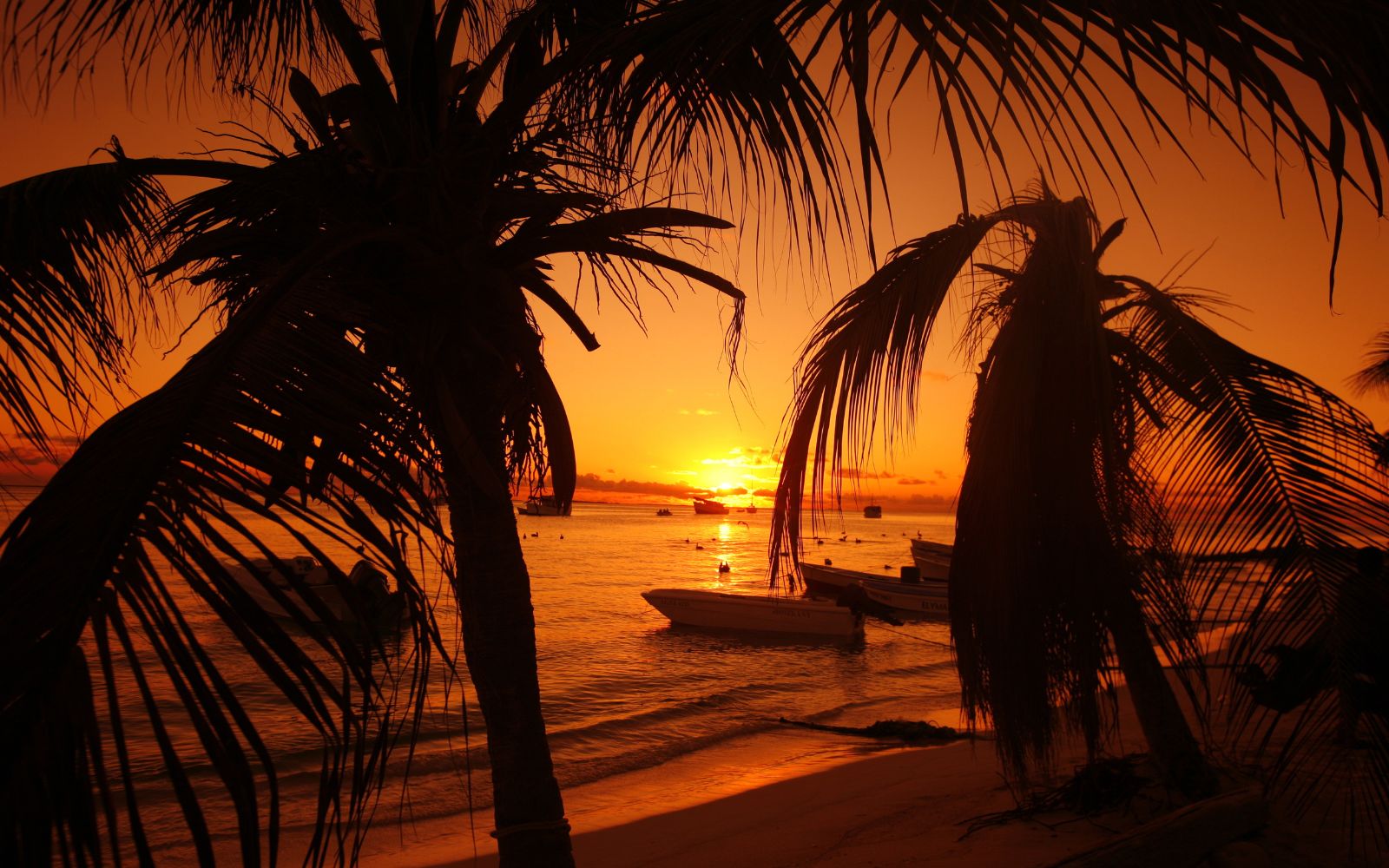
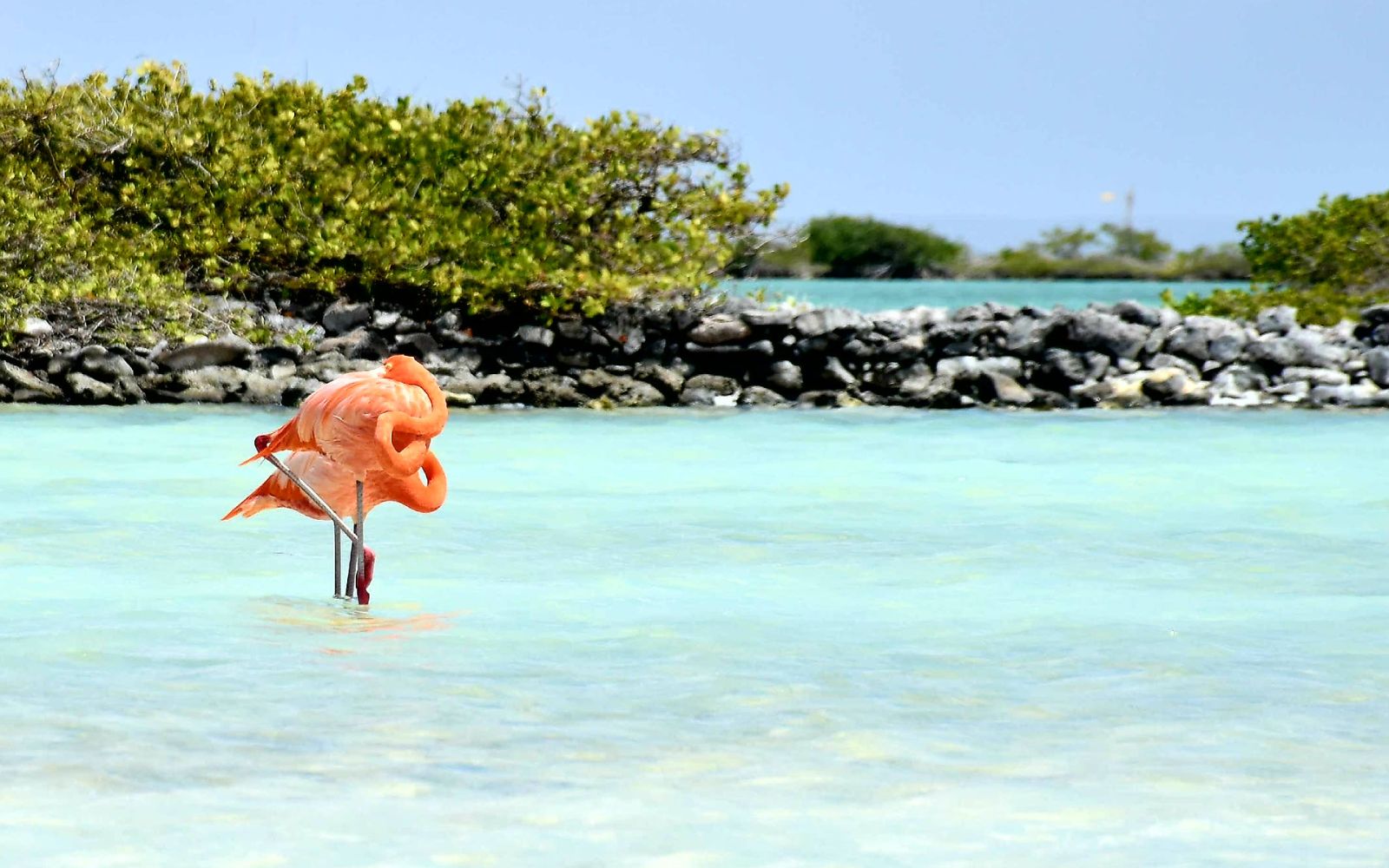
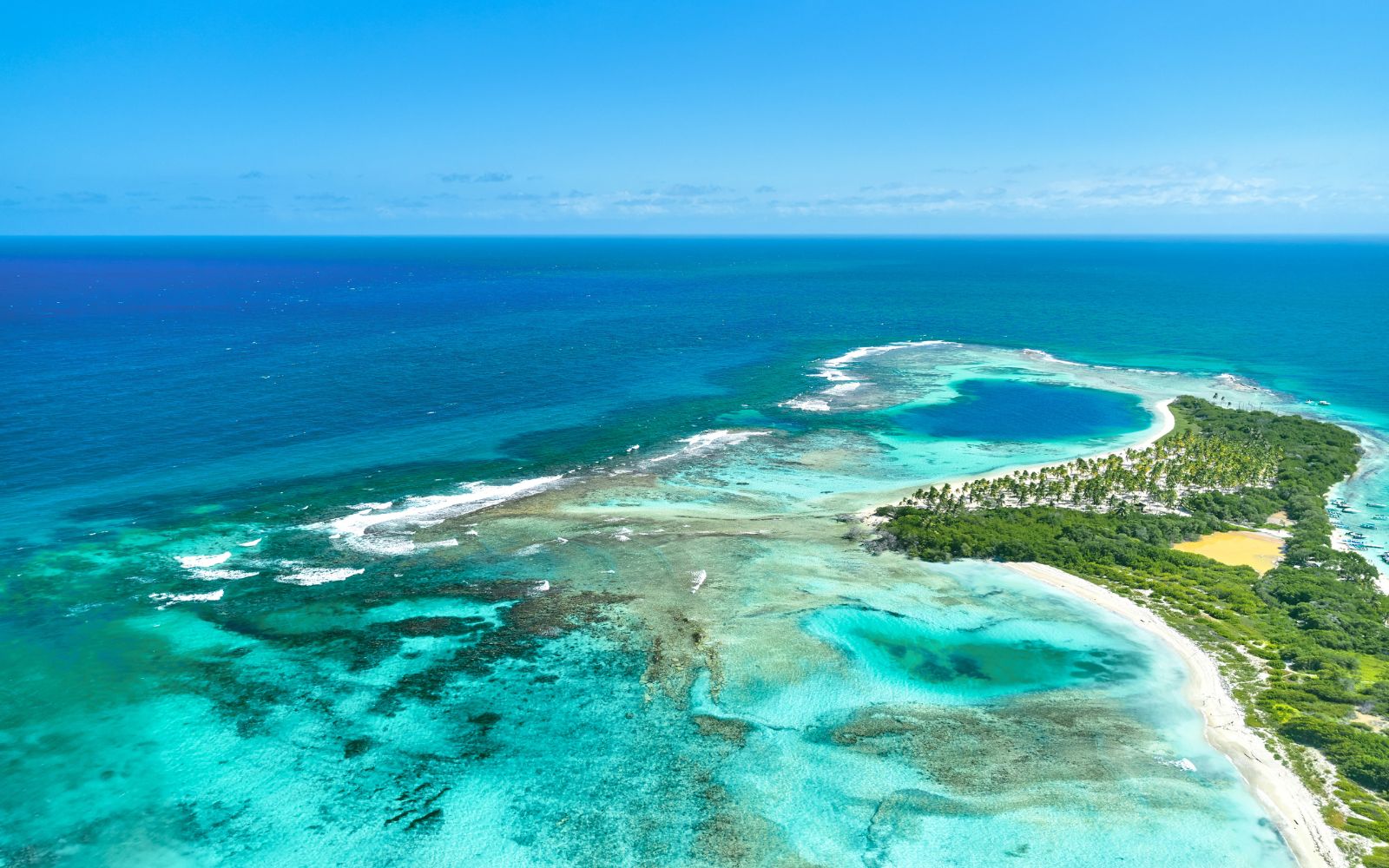
The Caribbean is often presented through tourism imagery: beaches, reefs, islands, and clear blue water. That image is only one part of the reality.
Behind it is a complex marine region with high biodiversity, vulnerable coastal communities, economically important tourism, fisheries, port activity, maritime transport, island dependencies, and fragile ecosystems. Coral reefs, mangroves, seagrass beds, estuaries, lagoons, rocky shores, sandy beaches, and coastal wetlands all play a role in protecting shorelines, supporting marine life, and sustaining local livelihoods.
When these systems decline, the damage is not only environmental. It affects tourism, food security, coastal protection, local jobs, public health, and long-term economic development.
Operation Caribe treats marine restoration as part of the future blue economy, not as a separate charity activity.
First operational focus
Venezuela as First Operational Focus
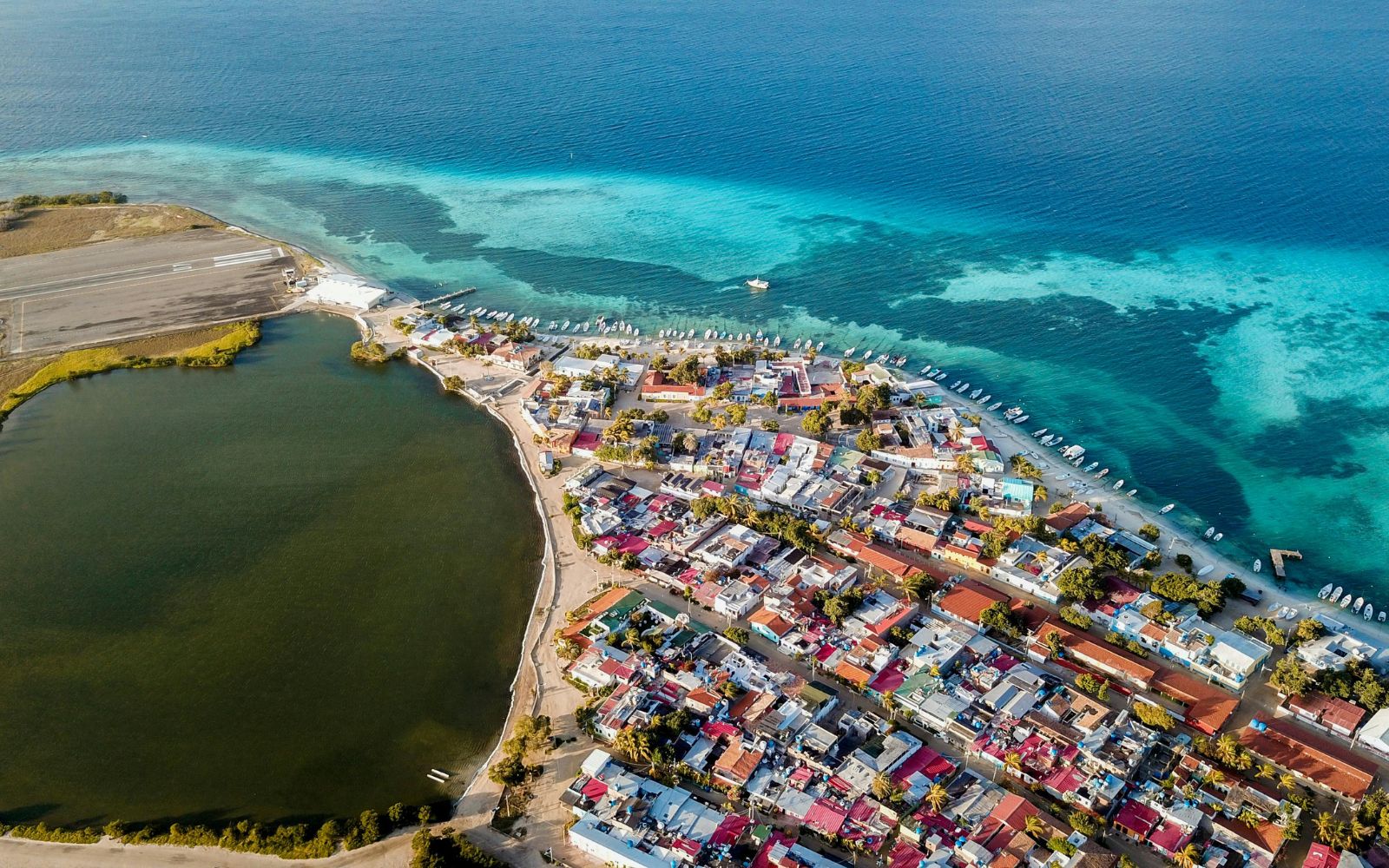
Venezuela is the first operational focus for Operation Caribe.
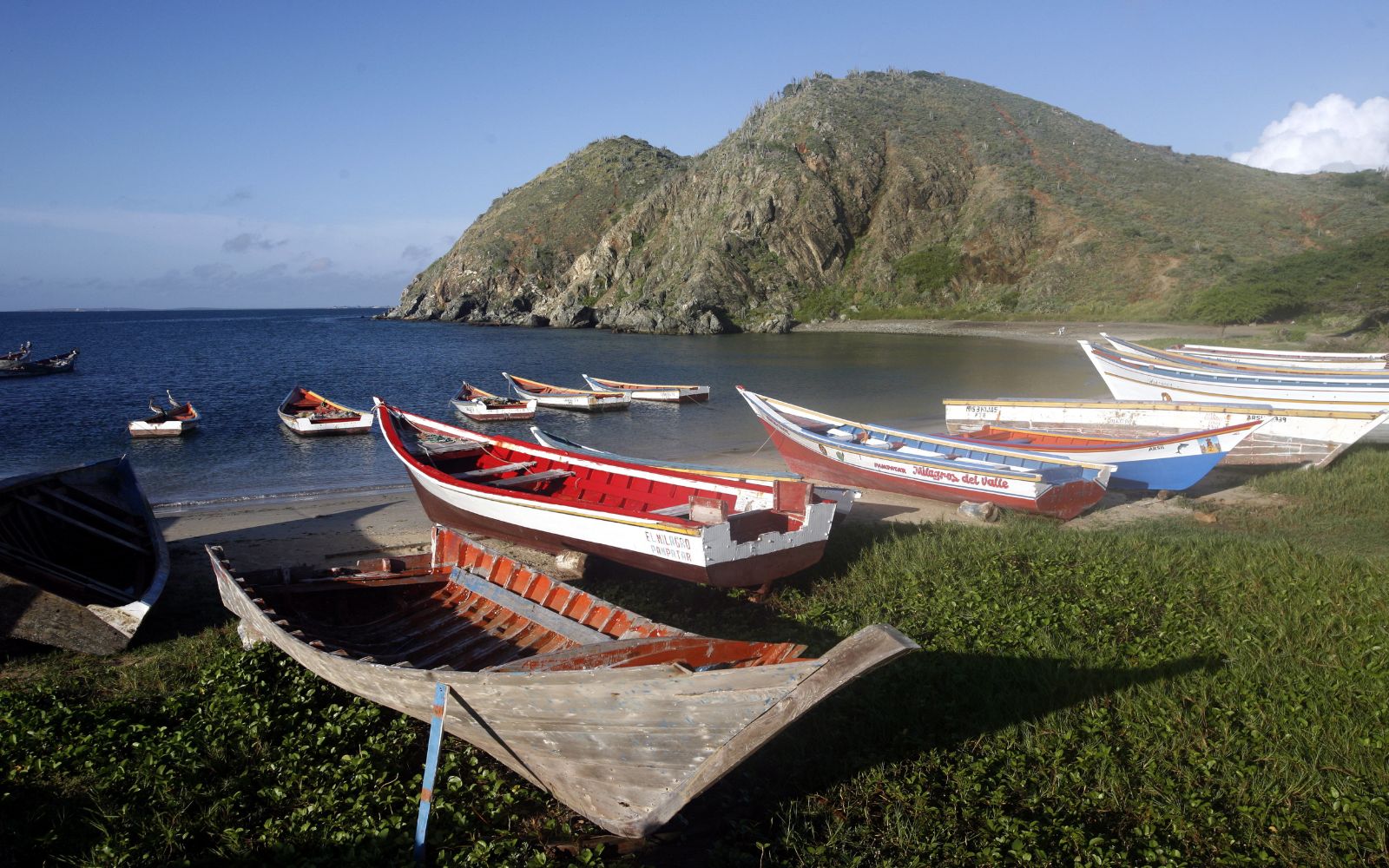
The country has major Caribbean-facing marine and coastal potential, with significant biodiversity, island systems, coastal communities, tourism assets, fisheries, and restoration opportunities. It also faces serious challenges linked to pollution, waste management, infrastructure pressure, economic instability, and uneven access to environmental services.
This makes Venezuela a difficult but important starting point.
Current work focuses on partner identification, local NGO outreach, funding research, project framing, and preparation for proposals that can connect marine restoration with circular economy, community benefit, and local capacity building.
The aim is to develop a pilot pathway that is realistic, fundable, locally supported, and useful beyond a single site.
Regional marine systems
Beyond Borders: Venezuela, Colombia, Bonaire, and the Southern Caribbean
Marine systems do not follow political borders.
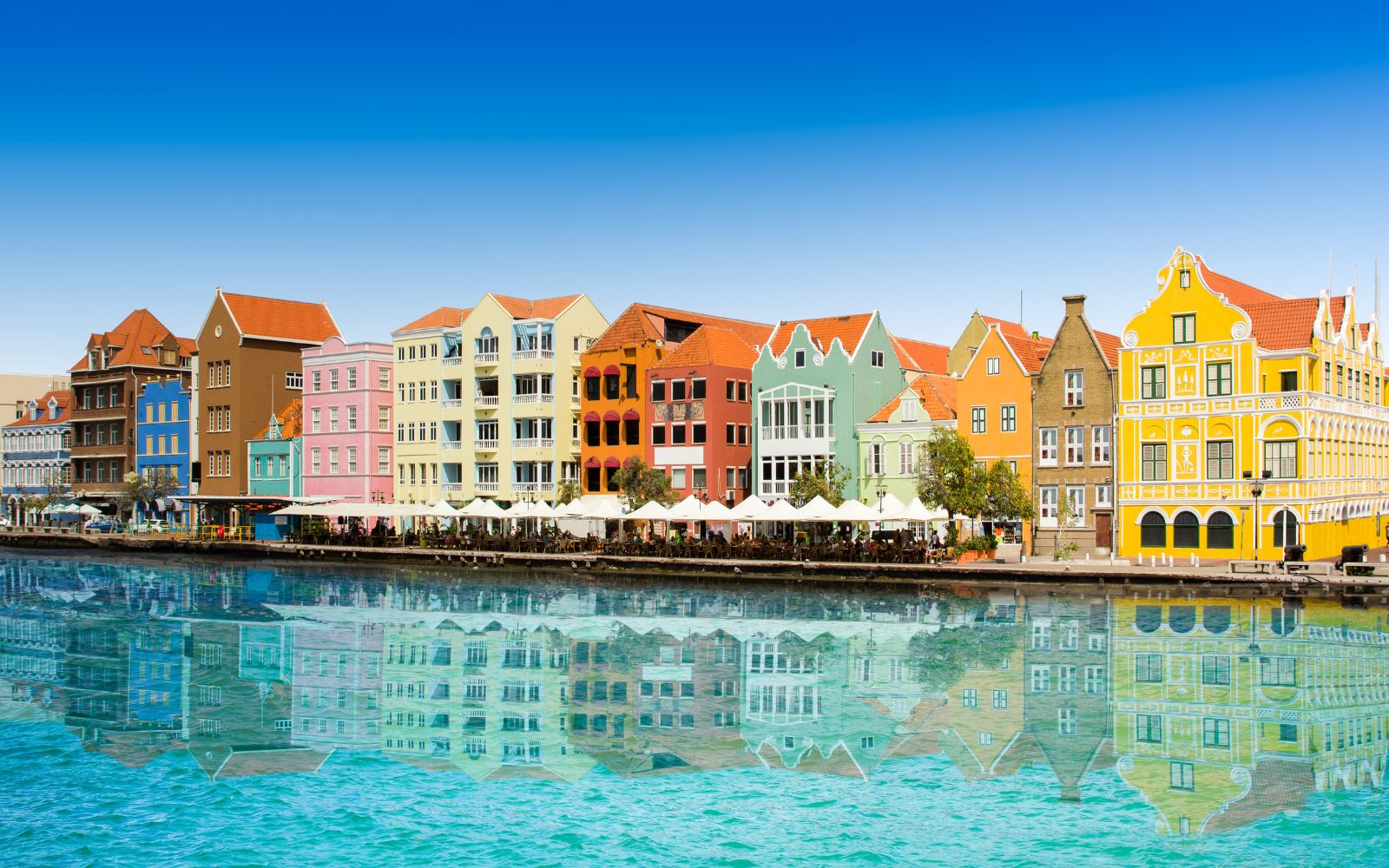
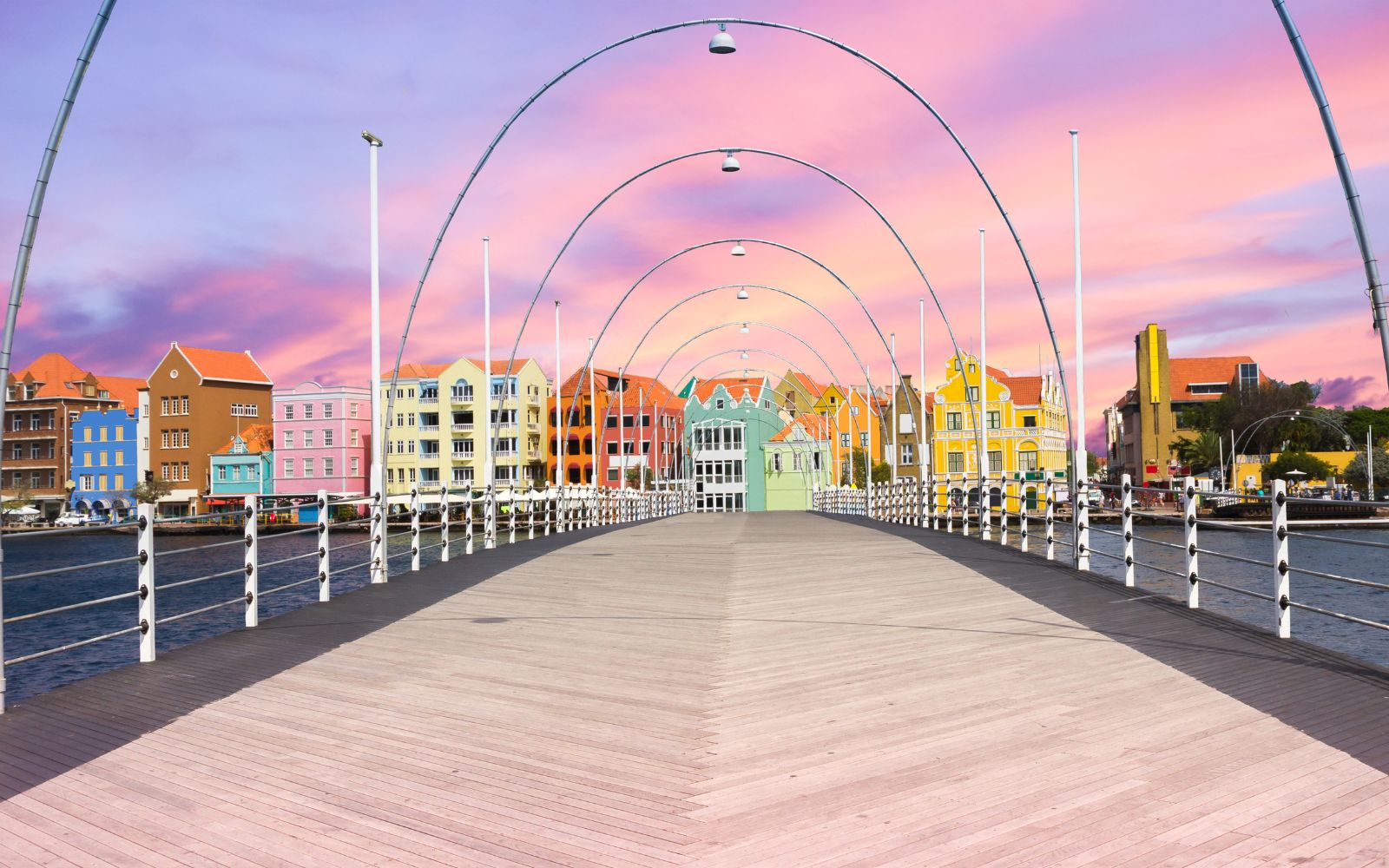
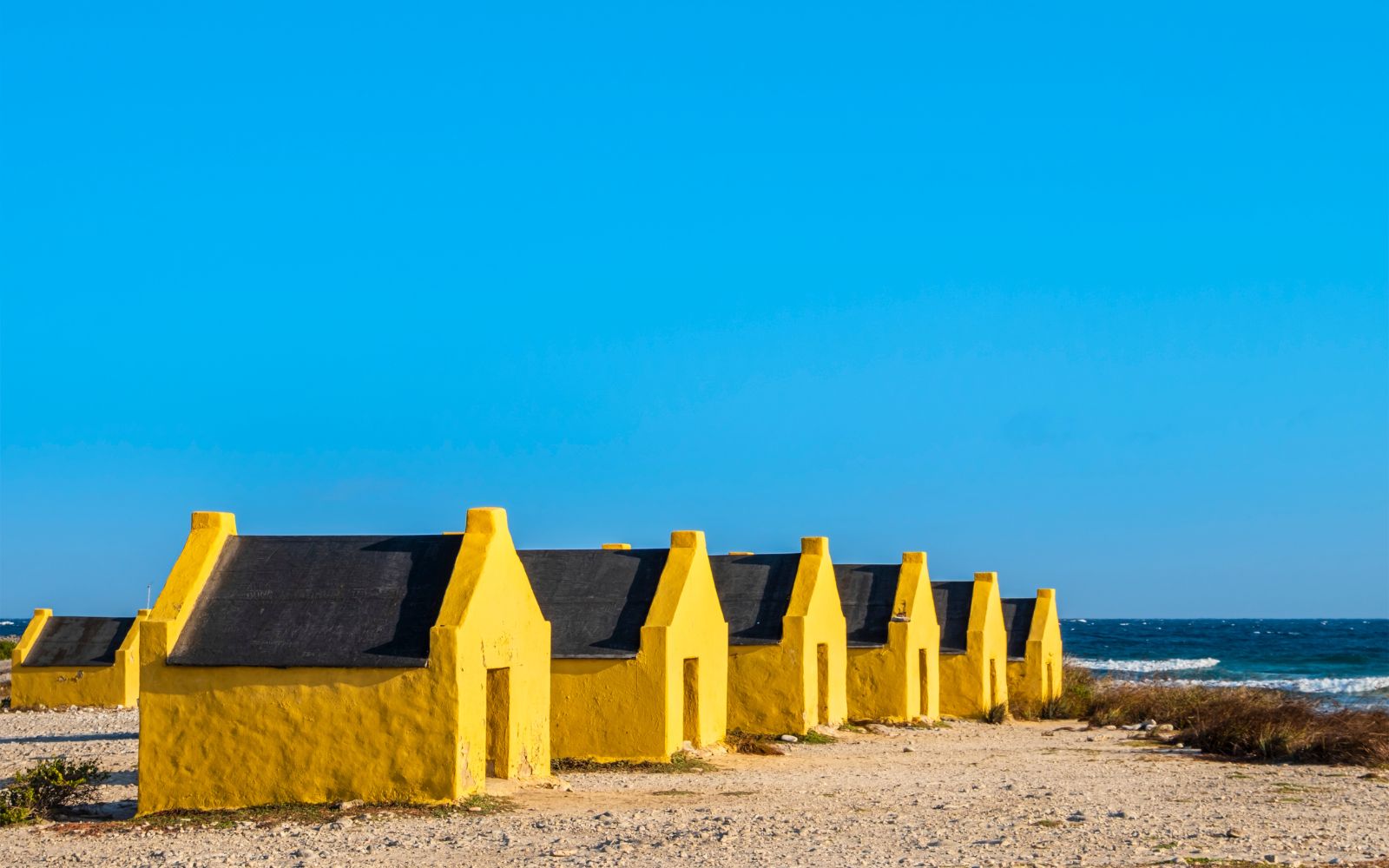
The southern Caribbean connects Venezuela, Colombia, Bonaire, Curaçao, Aruba, Trinidad and Tobago, and wider island and coastal systems through currents, biodiversity movement, fisheries, tourism flows, maritime activity, and shared environmental pressures.
Operation Caribe therefore has a regional logic. A pilot in one location can help build methods, training structures, reporting systems, restoration tools, and partnership models that may later be adapted elsewhere.
This is where GoBlu3 can become valuable: not as a one-off project, but as a transferable operational framework for Caribbean-facing regions.
Circular economy and local value
Restoration, Circular Economy, and Local Value
Operation Caribe is strongly linked to circular economy thinking.
Marine restoration cannot be separated from waste, coastal livelihoods, local employment, education, and economic incentives. Plastic pollution, abandoned fishing gear, poor waste handling, shoreline contamination, and degraded habitats are not only environmental problems. They are also signs of broken value chains.
A circular economy approach can help turn part of the problem into opportunity.
- Waste reduction and recovery linked to local environmental improvement.
- Coastal cleanup systems connected to monitoring and prevention.
- Reuse and recycling pathways where viable partners and logistics exist.
- Community employment and youth engagement built around practical coastal action.
- Responsible tourism and public awareness connected to measurable marine value.
For GoBlu3, the point is straightforward: restoration becomes stronger when local people can see and share the value created by protecting their marine environment.
Colombia and mainland coastlines
Caribbean Mainland Pressure and Opportunity
Operation Caribe is not limited to islands. Caribbean-facing mainland coasts also play a major role in the regional marine system.
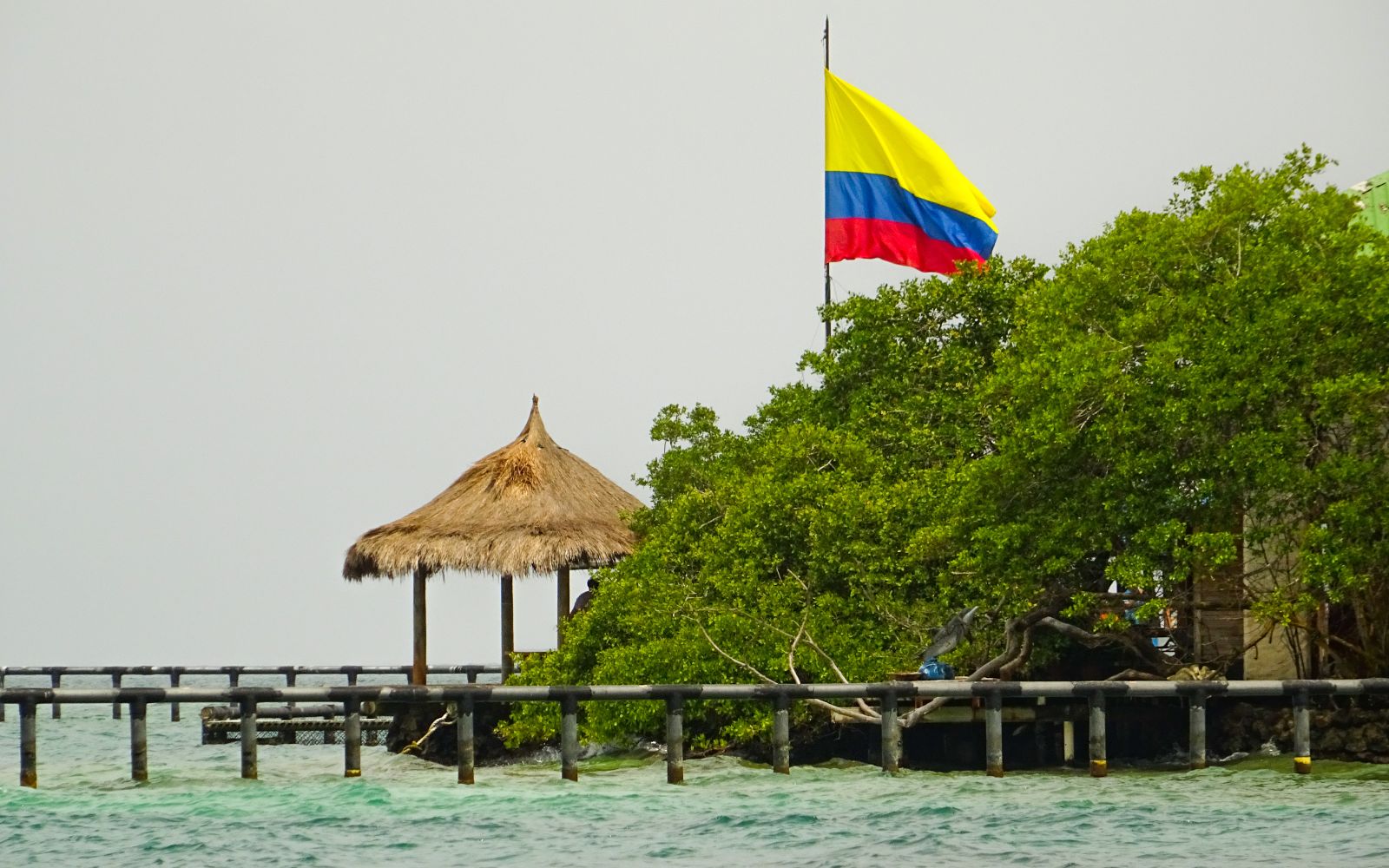
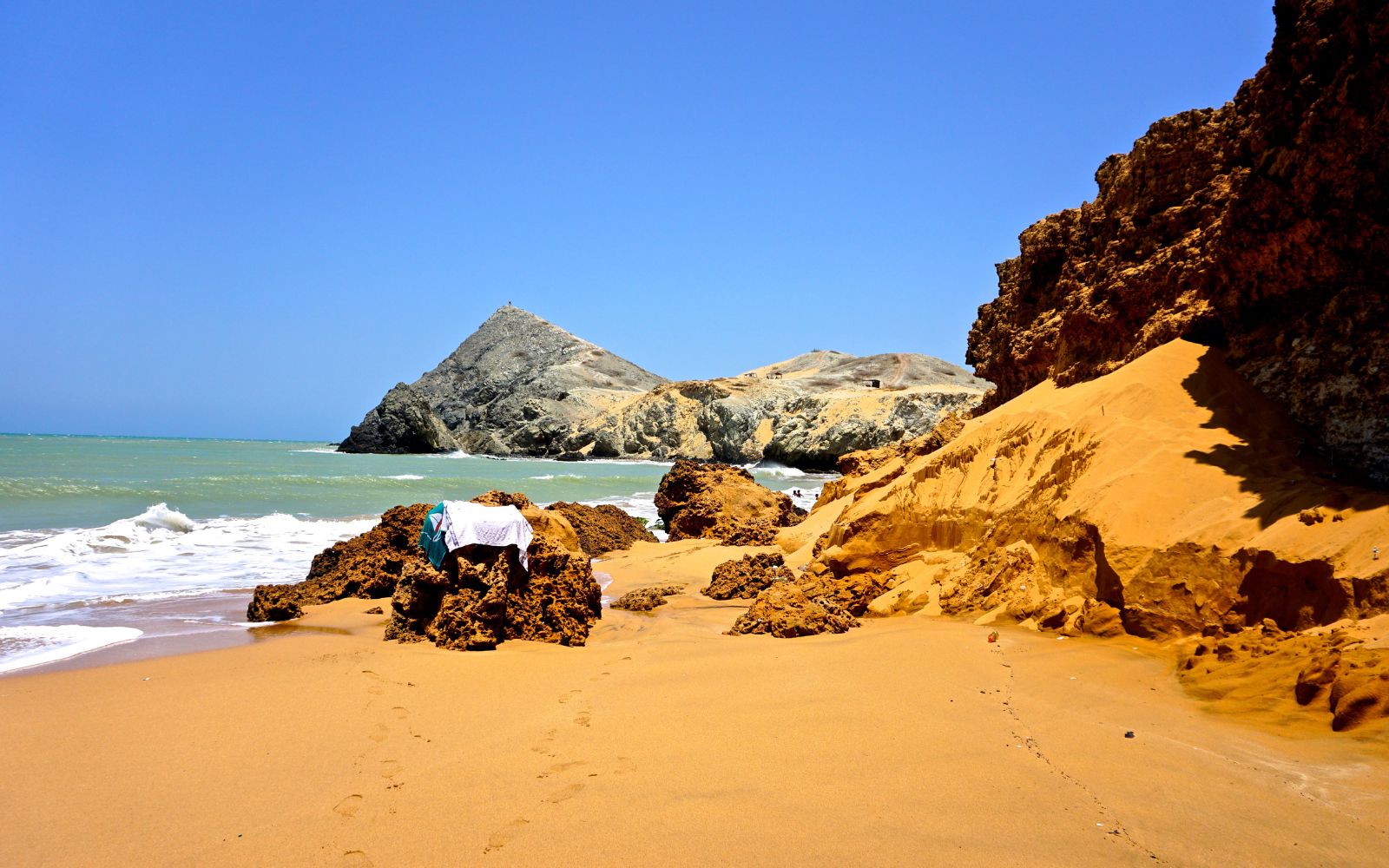
Colombia’s Caribbean coast, including areas such as Cartagena and La Guajira, reflects the wider mix of tourism, coastal development, fishing activity, community livelihood, port pressure, and marine biodiversity that defines the region.
These mainland coastlines strengthen the regional case for GoBlu3. Restoration, circular economy, marine education, and professional field capacity need to work across both island and mainland environments.
What GoBlu3 Brings
Operation Caribe can bring structure to marine restoration and blue-economy development through practical field capacity.
Professional diver field capacity
Professional divers can support observation, monitoring, restoration support, cleanup documentation, environmental reporting, and community-facing marine education.
Biodiversity observation
GoBlu3 can help structure biodiversity observation and reporting so local marine change becomes visible, documented, and useful for project planning.
Circular economy framing
Waste, coastal contamination, cleanup systems, reuse pathways, and local value creation can be connected to restoration planning.
Restoration pilot design
Pilot projects need realistic site selection, field roles, safety logic, local ownership, measurable outcomes, and funding alignment.
Community and youth engagement
Marine restoration becomes stronger when communities, young people, coastal workers, and local businesses can participate and benefit.
Country Reports and sector mapping
IADP’s wider sector-mapping work can help identify stakeholders, authorities, businesses, risks, and opportunities in each regional context.
Partnership Model
Operation Caribe depends on strong local partnerships.
IADP and GoBlu3 can provide diving-sector expertise, project design, international visibility, training concepts, restoration logic, communications capacity, and access to a wider professional network.
Local partners provide what no external structure can replace: legal presence, local legitimacy, community access, local staff, continuity, cultural understanding, relationships with authorities, and knowledge of daily conditions.
That division matters.
Without local ownership, projects do not last. Without professional structure, projects often fail to scale. Operation Caribe must combine both.
Development Status and Next Steps
Operation Caribe is currently in active development.
The immediate priorities are to identify reliable local partners, define pilot areas, align with relevant funding calls, prepare project proposals, connect marine restoration with circular economy and basic services, map local marine-sector stakeholders, define practical field roles, and prepare a phased deployment model.
The first phase should be modest, practical, and measurable. The goal is not to launch a broad regional programme on paper. The goal is to build a credible pilot that can prove the model and then expand.
Next active phase
This Is Where the Next Phase Begins
Operation Caribe is where GoBlu3 moves into its next active development phase.
The Caribbean-facing region has the biodiversity, the pressure, the communities, the economic relevance, and the urgency. What is needed now is structure: the right partners, the right pilot design, the right funding, and the right field capacity.
GoBlu3’s role is to connect marine restoration with professional diving, circular economy, local value, and blue-economy development.
Support the GoBlu3 Work
Operation Caribe is in active development. Support helps IADP continue building the professional, scientific, and operational structure needed for practical Caribbean-facing restoration and blue-economy work.
Help develop Operation Caribe
Support GoBlu3, volunteer with IADP, or discuss cooperation as we continue developing practical restoration, circular economy, and blue-economy work across priority marine regions.